Posted in PLANT FOOD FACTS

Fava Bean (Habas)

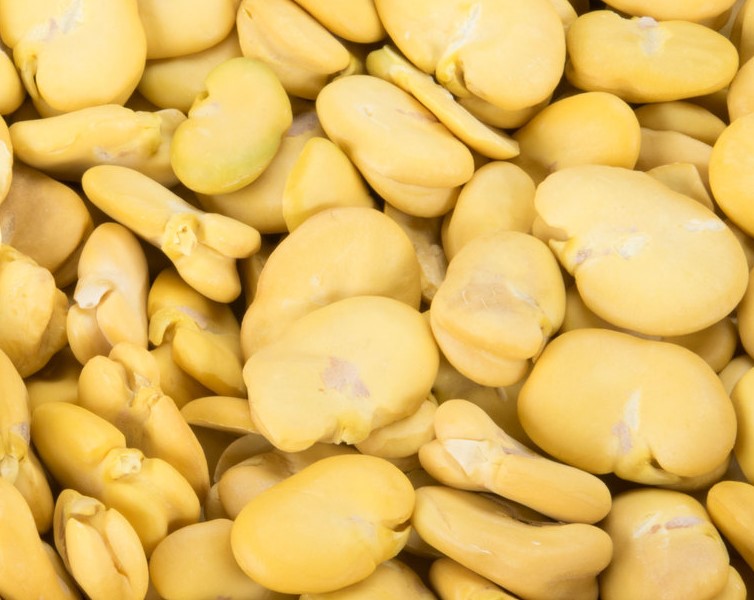
Fava beans are rich in iron, phosphorous, magnesium, and manganese. One serving packs 106% of the daily requirement of folates, important for preventing birth defects.

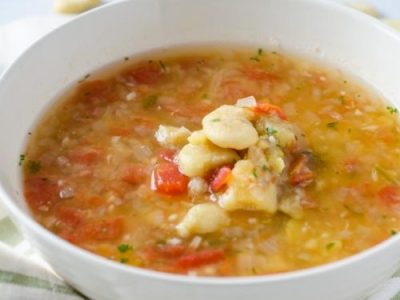
Fava beans, sometimes called horse beans or broad beans (español: habas) come from a species of flowering plant in the Fabaceae pea and bean family. It is widely cultivated as a crop for human consumption. Eating these beans regularly may have benefits for symptoms of Parkinson’s disease, help prevent birth defects, boost immunity, aid weight loss and lower cholesterol levels and blood pressure. Recipe for Mexican Sopa de Habas
Nutrition: 3.5 oz (100 g) fava beans
calories341
calcium10% DV
carbohydrates58.29 g
copper41% DV
fat1.53 g
fiber25 g
folate106% DV
iron52% DV
magnesium54% DV
manganese77% DV
niacin19% DV
phosphorous60% DV
potassium23% DV
protein26.12 g
riboflavin28% DV
selenium12% DV
thiamine48% DV
zinc33% DV
vitamin B628% DV
SOURCES: WIKIPEDIA / HEALTHLINE
Posted in PLANT FOOD FACTS

Spinach

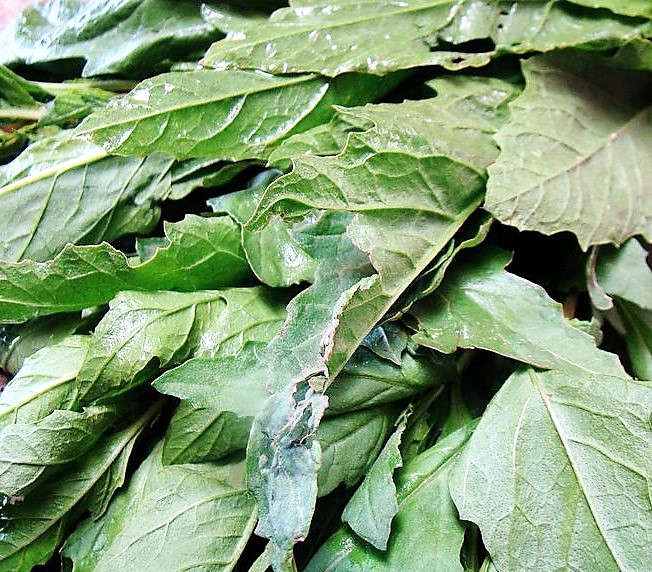
Spinach (español: espinacas) is a leafy green flowering plant whose leaves are consumed cooked or raw. Spinach is a good source of VITAMIN C, IRON, POTASSIUM, VITAMIN E, and MAGNESIUM. The possible health benefits of consuming spinach include blood glucose control, lower risk of cancer, and improved bone health. As part of a nutritious diet, it can help support immune function, aid the digestive system, may even have anticancer properties. Spinach is typically safe to consume as part of a well-rounded, nutritious diet, but some people may benefit from limiting their intake of this vegetable. Spinach is rich in dietary oxalate, which can increase a person’s risk of kidney stones. The high oxalate content may be reduced by steaming. Spinach contains:

  • Alpha-lipoic acid
    • an antioxidant which lowers glucose levels, increases insulin sensitivity, and prevents oxidative, stress-induced changes in patients with diabetes.
  • Vitamin K
    • Scientists have found a link between low intakes of vitamin K and a higher risk of bone fracture. Vitamin K acts as a modifier of bone matrix proteins, improves calcium absorption, and may reduce the amount of calcium that leaves the body in urine.
  • Protein and carbohydrates.
    • Most of the calories from protein and carbohydrates, which play important roles in the body, from maintaining eye health to reducing inflammation.
  • Chlorophyll
    • Research suggests chlorophyll may have anticancer properties and that people who eat diets rich in green vegetables may have a lower risk of cancer.
  • Potassium
    • It can help reduce the effects of sodium in the body. A low potassium intake might be as potent a risk factor for developing high blood pressure as a high sodium intake.
  • Fiber and water
    • Both help prevent constipation and promote a healthy digestive tract.
  • Vitamin A
    • It moderates oil production in the skin pores and hair follicles to moisturize the skin and hair. A buildup of this oil can lead to acne. Vitamin A is necessary for the growth of all bodily tissues, including skin and hair.
  • Vitamin C
    • It is crucial for building and maintaining collagen, which provides structure to skin and hair.
  • Iron
    • Iron deficiency is a common cause of hairloss, which a person can help prevent with a diet of sufficient iron-rich foods, such as spinach.
1 cup of spinach contains%DV
CALORIES7
PROTEIN0.86G
CALCIUM29.7MG
IRON0.81G
MAGNESIUM24MG
POTASSIUM167MG
VITAMIN A (RETINOL)141MCG
VITAMIN B9 (FOLATE)58MCG
SOURCE: MEDICAL NEWS TODAY / WIKIPEDIA
Posted in MEXICAN SPECIALS, PLANT FOOD FACTS

Passion Fruit (Maracuyá)

Passion fruit is rich in antioxidants and dietary fiber, which have been linked to a lower risk of conditions like heart disease and diabetes.

Passion fruit (español: maracuyá) is the fruit of the Passiflora vine. It has a tough outer rind and juicy center full of edible seeds. There are several types that vary in size and color. Purple and yellow varieties are the most commonly available ones, including Passiflora edulis, small round or oval-shaped fruits with purple skin, and Passiflora flavicarpa, round or oval with yellow skin and usually slightly larger than the purple variety.

Passion fruit is rich in antioxidants and dietary fiber. Diets high in these nutrients have been linked to a lower risk of conditions like heart disease and diabetes. Passion fruit is a good source of fiber, vitamin C, and vitamin A. It is also rich in beneficial plant compounds, including carotenoids and polyphenols. It has a small amount of iron, and even though the body doesn’t usually absorb iron from plants very well, passion fruit comes with a lot of vitamin C, which is known to enhance iron absorption.

Passion fruit allergy is rare, but some cases occur. People with a latex allergy are at greater risk.

1 small purple passion fruit contains
CALORIES17
FIBER2 g
IRON2% DV
POTASSIUM2% DV
VITAMIN A (RETINOL)8% DV
VITAMIN C9% DV
SOURCE: HEALTHLINE

Posted in RECIPES

Lentil and Apricot Salad

Combining foods rich in Vitamin C and iron-rich foods improves the absorption of non-heme iron.

PREP 20 min / SERVES 4

  • INGREDIENTS
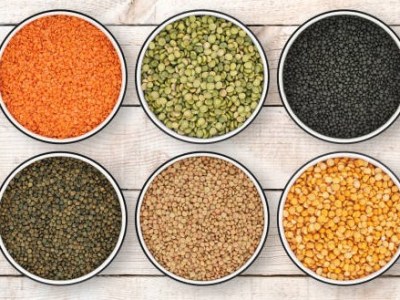
    • 1 c cooked LENTILS
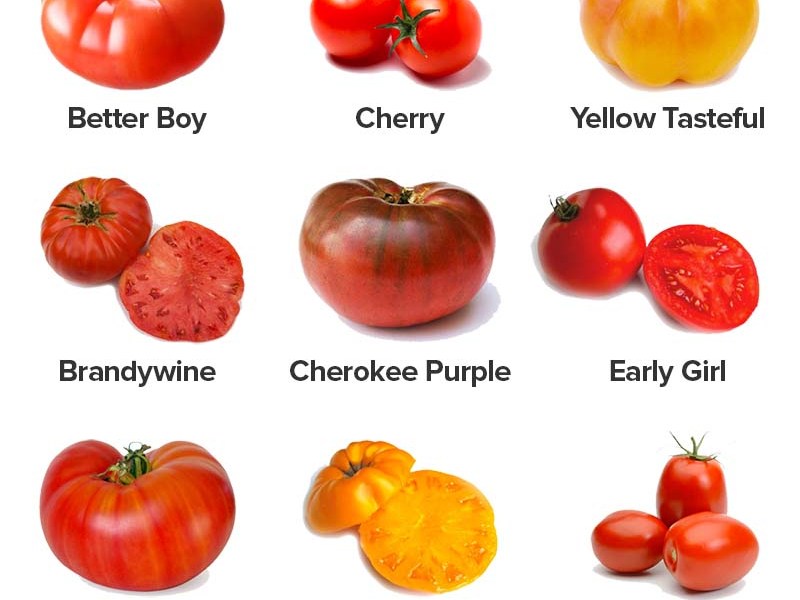
    • 1 small diced fresh TOMATO
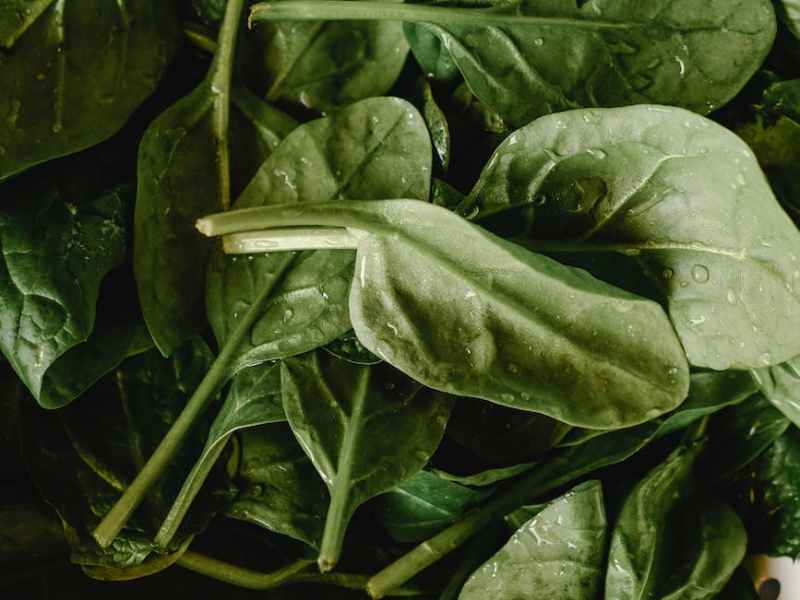
    • 1/2 c raw baby SPINACH
    • 1/4 c PUMPKIN SEEDS
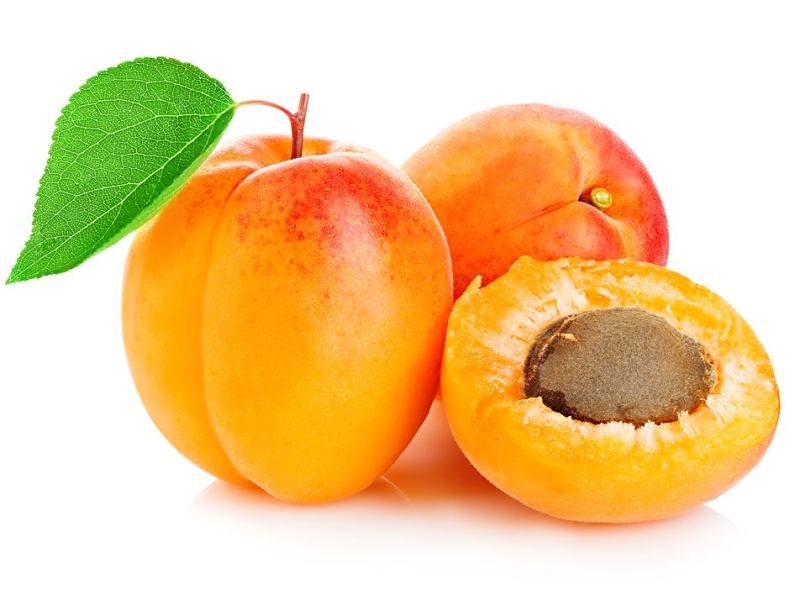
    • 1/2 c dried chopped APRICOT
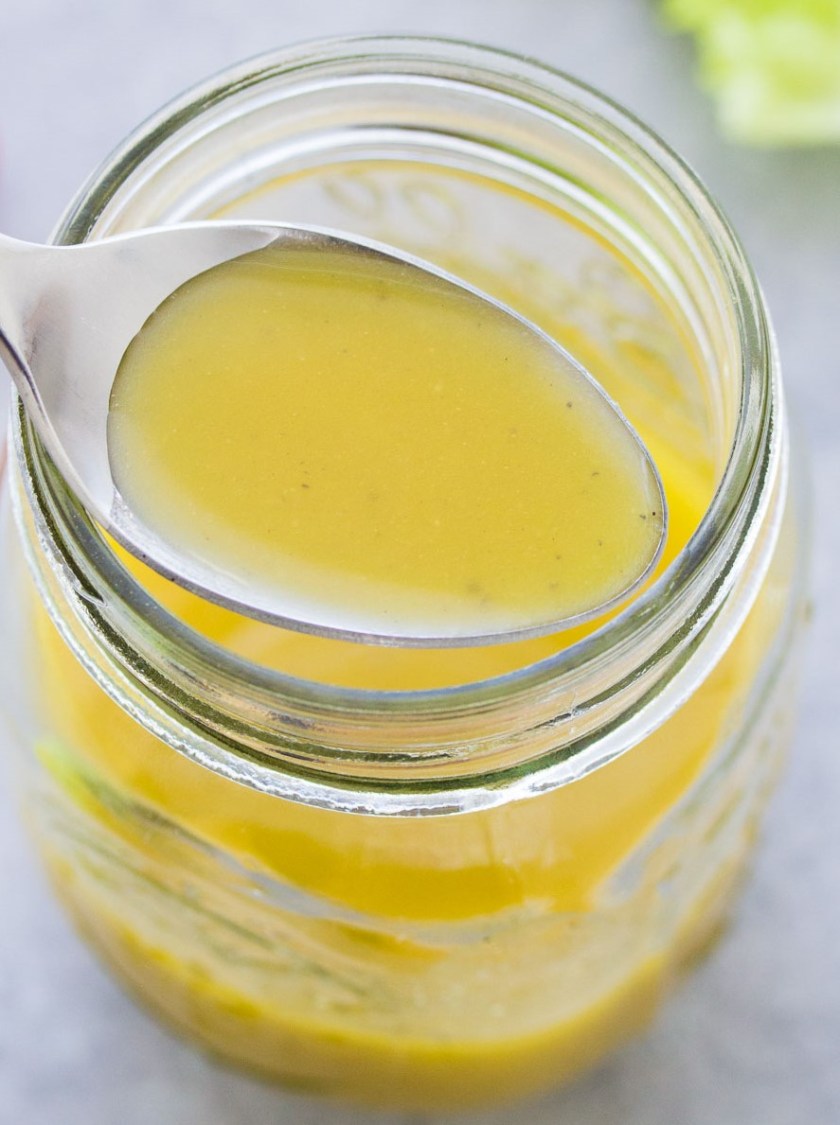
    • VINAIGRETTE
  • DIRECTIONS
    1. In a large bowl, combine LENTILS, TOMATOES, SPINACH, PUMPKIN SEEDS, and APRICOTS
    2. Drizzle VINAIGRETTE over salad
    3. Stir ingredients well and let sit 15 minutes beore serving
Posted in NUTRIENTS

Iron

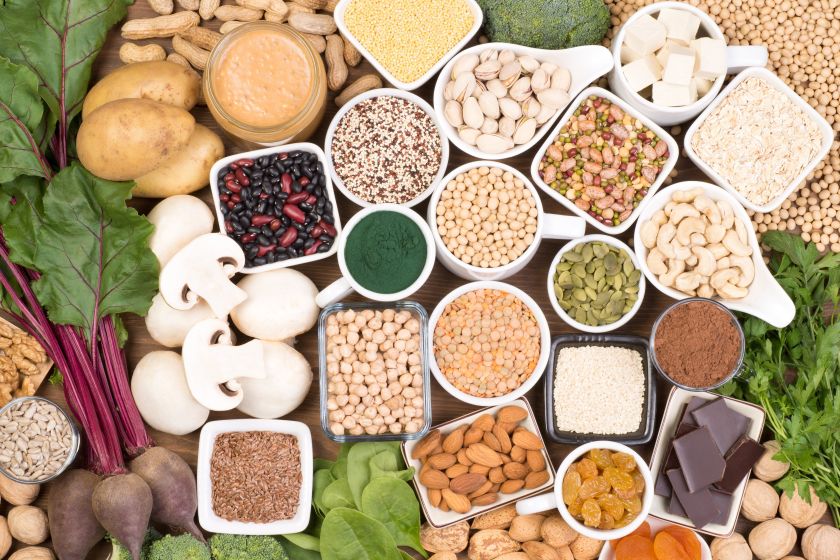
Iron is a major component of hemoglobin, a type of protein in red blood cells that carries oxygen from your lungs to all parts of the body. Without enough iron, there aren’t enough red blood cells to transport oxygen, which leads to fatigue. Iron is also part of myoglobin, a protein that carries and stores oxygen specifically in muscle tissues. Iron is important for healthy brain development and growth in children, and for the normal production and function of various cells and hormones. Some plant food sources of iron include beans, dark chocolate, lentils, spinach, potato with skin, nuts, and seeds. Vitamin C and heme iron taken at the same meal can improve the absorption of non-heme iron.

An iron deficiency is seen most commonly in children, women who are menstruating or pregnant, and those eating a diet lacking in iron. Vegetarians may develop IDA if they do not include adequate non-heme iron foods in the diet. Because non-heme iron is not well-absorbed, either greater quantities of these foods my be required or careful attention is needed in how they are eaten to improve absorption (consuming with vitamin C-rich foods while avoiding eating with calcium-rich foods, calcium supplements, or tea).

It is possible to obtain enough iron in a vegetarian/vegan diet with careful planning. Iron-deficiency anemia is the most common nutritional deficiency worldwide, causing extreme fatigue and lightheadedness. It affects all ages, with children, women who are pregnant or menstruating, and people receiving kidney dialysis among those at highest risk. Iron from food comes in two forms: heme and non-heme. Heme is found only in animal flesh like meat, poultry, and seafood. Non-heme iron is found in plant foods like whole grains, nuts, seeds, legumes, and leafy greens. Iron is stored in the body as ferritin (in the liver, spleen, muscle tissue, and bone marrow) and is delivered throughout the body by transferrin (a protein in blood that binds to iron). Heme iron is better absorbed by the body than non-heme iron. Bran fiber, large amounts of calcium particularly from supplements, and plant substances like phytates and tannins can inhibit the absorption of non-heme iron. Toxicity is rare because the body regulates iron absorption and will absorb less if iron stores are adequate. Excessive iron occurs most often from taking high-dosage supplements when not needed or from having a genetic condition that stores too much iron. The maximum daily intake unlikely to cause harmful effects is 40 mg for children 14 and under and 45 mg for all adults over 14. The Recommended Daily Allowances vary for gender, age, pregnancy, and lactation.

AgeRDA ironPREGNANCYlactation
Male 14-1811 mg
Female 14-1815 mg27 mg10 mg
Male 1950 +8 mg
Female 19-5018 mg27 mg9 mg
Female 51 +8 mg

Source: Harvard School of Public Health

Posted in MEXICAN SPECIALS, PLANT FOOD FACTS

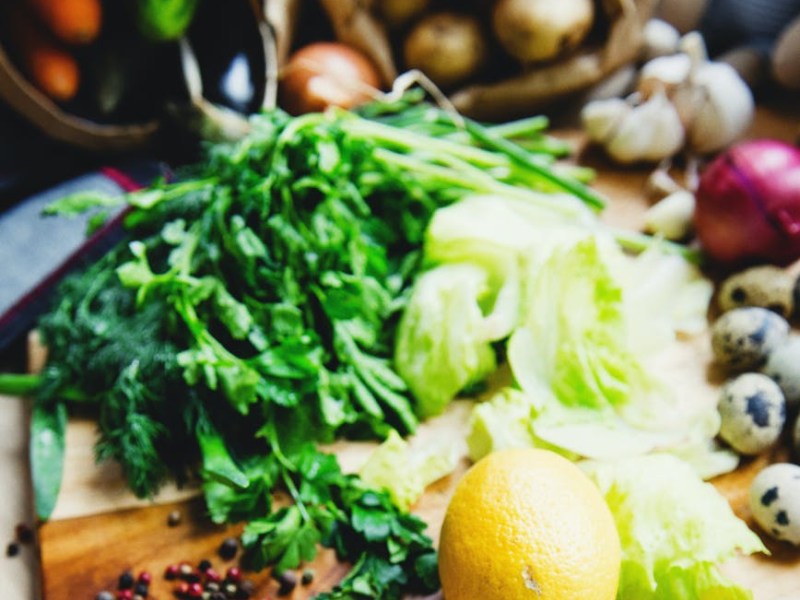
Epazote

Epazote is rich in folates, calcium, copper, manganese, iron, and magnesium.

Epazote is a herb used in Mesoamerican cooking since long before the Spanish conquest. Its strong musky flavor is appealing, but it also has a number of nutritional and medicinal benefits. It should be used in small quantities and is not recommended for pregnant women and nursing mothers. It aids in digestion and contains anti-oxidants. It is often added to beans and corn dishes. It belongs to the Amaranthaceae family of herbs and vegetables, which includes amaranth, spinach, quinoa, and beets. The scientific name is Chenopodium ambrosioides. It is sometimes called wormseed or Mexican tea.

3.5 oz (100 g) epazote
calories 32
carbohydrates 7.44 g
fiber 3.8 g
calcium 27.5% RDA
copper 21% RDA
folates 54% RDA
iron 24.5% RDA
magnesium 30% RDA
manganese 135% RDA
phosphorous 12% RDA
potassium 10% RDA
riboflavin 27% RDA
vitamin C 6% RDA
zinc 12% RDA
Sources: nutrition and you
Posted in MEXICAN SPECIALS, PLANT FOOD FACTS

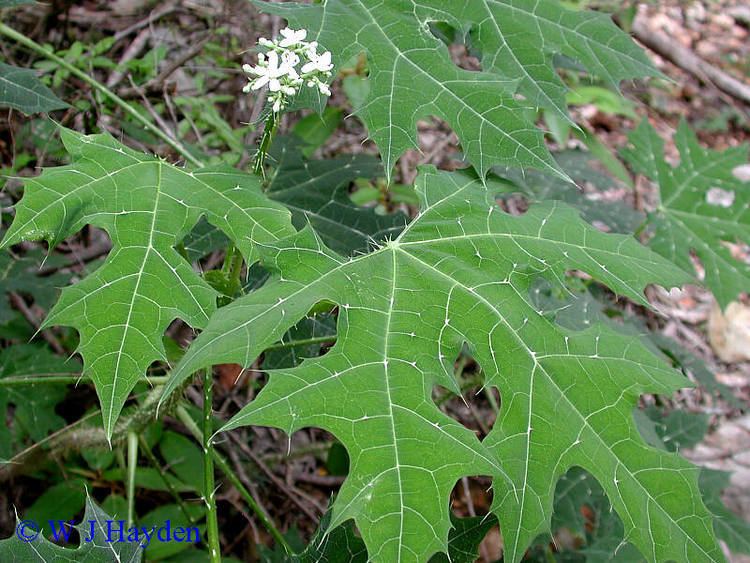
Chaya (Mayan Tree Spinach)

Chaya is recommended in folk medicine for diabetes, obesity, kidney stones, hemorrhoids, acne, and eye problems.

The scientific name of chaya (español: chaya) is cnidoscolus aconitifolius. It is known as Chaya or Mayan Tree Spinach. It is a large fast-growing perennial shrub that is believed to have originated on the Yucatan peninsula. Chaya can be cooked just like spinach, and is an excellent addition to a stir-fry. It is high in protein, vitamins, calcium, iron and antioxidants. In folk medicine, chaya is recommended for diabetes, obesity, kidney stones, hemorrhoids, acne, and eye problems. Chaya shoots and leaves serve as a laxative, diuretic, and circulation stimulant. They are used to improve digestion, to stimulate lactation, and to harden the fingernails. Like most food plants such as lima beans, cassava, and many leafy vegetables, the leaves contain hydrocyanic glycosides, a toxic compound easily destroyed by cooking. Even though some people eat raw chaya leaves, it is risky to do so.

WARNING: Chaya leaves must be cooked; raw leaves are toxic

Chaya is believed to have these and other health benefits:
Improve blood circulation
Aid digestion
Improve vision
Help lower cholesterol
Help reduce weight
Prevent coughs
Increase calcium
Deconges and disinfect lungs
Prevent anemia
Improve memory and brain function
Combat arthritis
Improve glucose metabolism and prevent diabetes.
SOURCES: HEALTH BENEFITS TIMES
Posted in PLANT FOOD FACTS

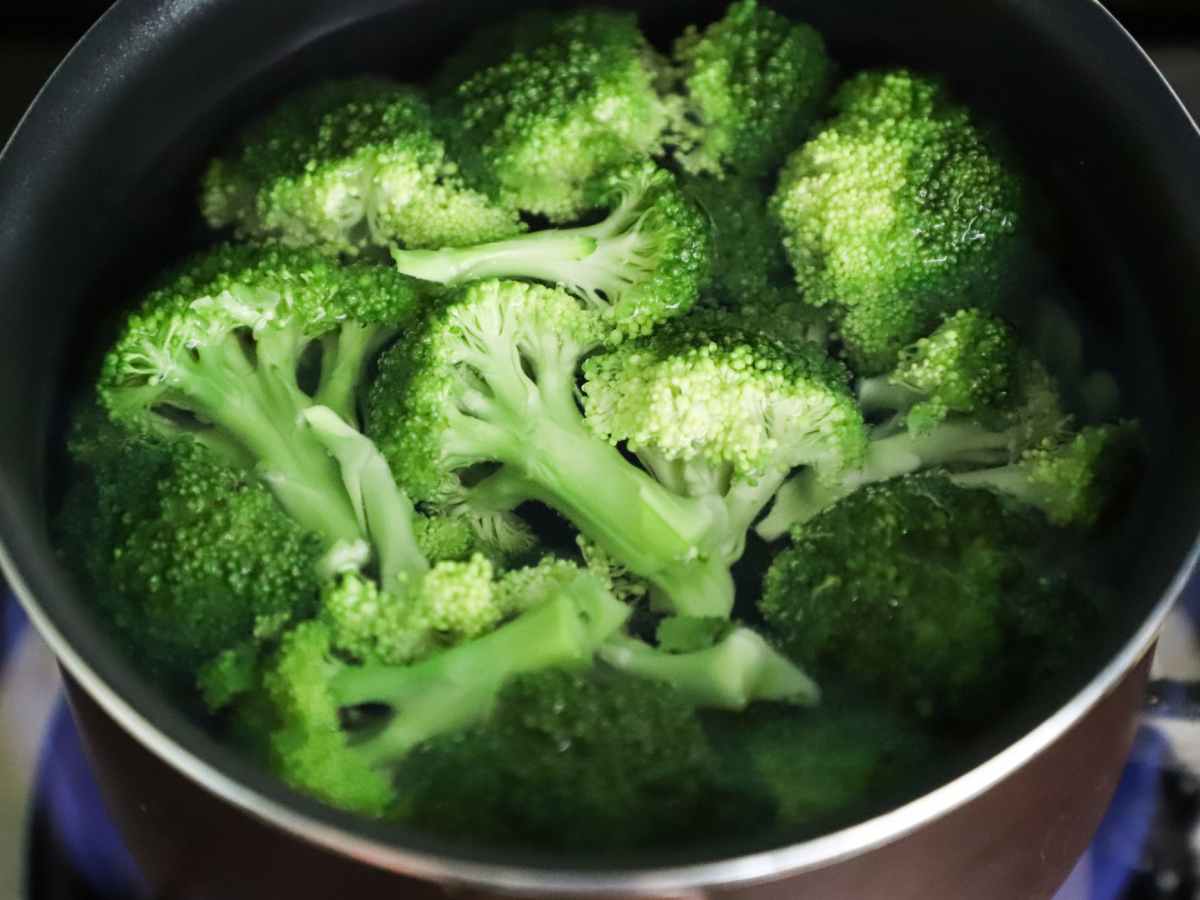
Broccoli

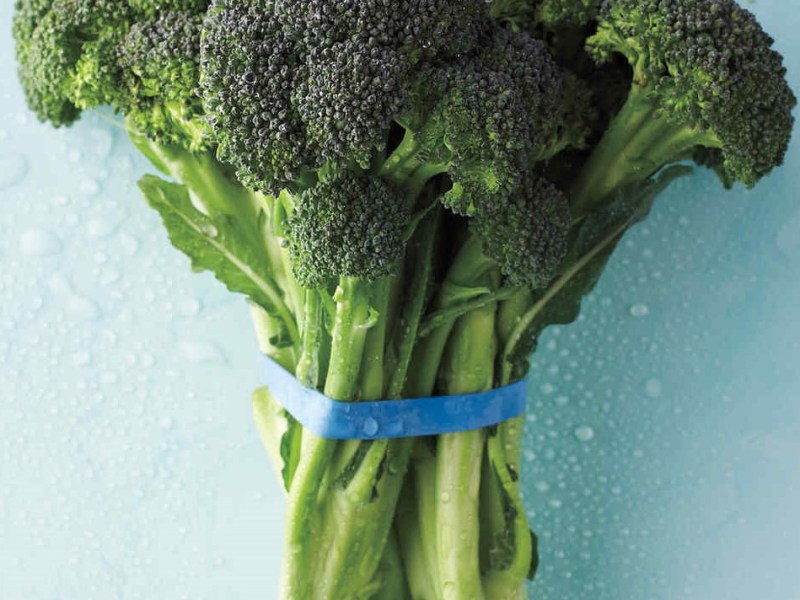
Broccoli, which has more protein than most other vegetables, is also high in fiber, vitamin C, vitamin K, iron, and potassium.

Broccoli is a cruciferous vegetable related to cabbage, kale, cauliflower, and Brussels sprouts. Broccoli may be eaten raw, but recent research suggests that gentle steaming is best for maximum health benefits. Steaming also eliminates the risk of contaminaton. Broccoli is low in calories and high in fiber, protein and Vitamin C. It also contains numerous other vitamins and minerals in smaller amounts. In fact, it provides a little bit of almost every nutrient you need.

1 cup (91 g) raw broccoli provides

calories 31
carbohydrates6g
calcium10mg
copper10%DV
fat0.4g
fiber2.4g
protein2.5g
vitamin C140%DV
SOURCE: HEALTHLINE