Posted in MEXICAN SPECIALS, PLANT FOOD FACTS

Mango

I used to think that “healthy” and “low calorie” meant “less than delicious.” I thought that “sweet” was a synonym of “fattening.” Then I met The Mango. One cup of fresh mango contains fewer than 100 calories, but packs 67% of the daily requirement for vitamin C.

Recipe: Mango Banana Frozen Treat

mango, an edible stone fruit produced by the tropical tree Mangifera indica, is believed to have originated from the region between northwestern MyanmarBangladesh, and northeastern India. Mango fruit varies in size, shape, sweetness, skin color, and flesh color which may be pale yellow, gold, green, or orange. It is the national fruit of IndiaPakistan and the Philippines. The mango tree is the national tree of Bangladesh.

Mango reduces the risk of developing diabetes, boosts immunity, supports healthy heart fuction, aids digestive health, and may help prevent several kids of cancer. One cup of fresh mango contains fewer than 100 calories, but it packs 67% of the daily requirement for vitamin C. In moderate amounts, it reduce the risk of diabetes. Mango has over a dozen different types of polyphenols, which function as antioxidants. Several B vitamins, along with vitamins A, C, K, and E boost the immune system. Magnesium, potassium, and the antioxidant mangiferin support healthy heart function. Digestive enzymes, water, dietary fiber, and other compounds aid various aspects of digestive health. Lutein, zeaxanthin, and vitamin A support eye health. Lutein and zeaxanthin may protect your eyes from the sun, while a lack of vitamin A can create vision problems. Mango polyphenols fight oxidative stress, which is linked to many health conditions, including colon, lung, prostate, breast, and bone cancers.

1 cup of fresh mango provides
CALORIES100
CARBOHYDRATE24.7g
FAT0.6g
FIBER2.6g
PROTEIN1.4g
SUGAR22.5g
COPPER20%DV
MAGNESIUM4%DV
POTASSIUM6%DV
VITAMIN A (RETINOL)10%DV
VITAMIN B1 (THIAMINE)4%DV
VITAMIN B2 (RIBOFLAVIN)5%DV
VITAMIN B3 (NIACIN)7%DV
VITAMIN B612%DV
VITAMIN B9 (FOLATE)18%DV
VITAMIN C67%DV
VITAMIN E10%DV
VITAMIN K6%DV
Sources: Wikipedia / healthline
Posted in PLANT FOOD FACTS

Oatmeal

Oats are a powerhouse of vitamins, minerals, and antioxidants.

Oatmeal Cookie recipe

The oat (Avena sativa) is a species of cereal grain grown for its seed. They are very high in many vitamins and minerals. Oats contain many powerful antioxidants, including avenanthramides, which help reduce blood pressure. They are high in the soluble fiber beta-glucan, which helps reduce cholesterol and blood sugar levels, promotes healthy gut bacteria, and increases feelings of fullness. They may lower the risk of heart disease by reducing both total and LDL (bad) cholesterol, as well as by protecting LDL from oxidation. Due to the soluble fiber beta-glucan, oats may improve insulin sensitivity and help lower blood sugar levels.

Oatmeal may help you lose weight by making you feel more full. It does this by slowing down the emptying of the stomach and increasing the production of the satiety hormone PYY. Some research suggests that oats may help prevent asthma in children when fed to young infants. Studies indicate that oat bran can help reduce constipation in older adults, significantly reducing the need to use laxatives.

1/2 CUP OF OATMEAL PROVIDES
COPPER17.6%DV
IRON9.4%DV
MAGNESIUM13.3%DV
MANGANESE63.91%DV
PHOSPHOROUS13.3%DV
ZINC13.4%DV
VITAMIN B1 (THIAMIN)15.5%DV
VITAMIN B5 (PANTOTHENIC ACID)9.07%DV
Source: healthline
Posted in PLANT FOOD FACTS

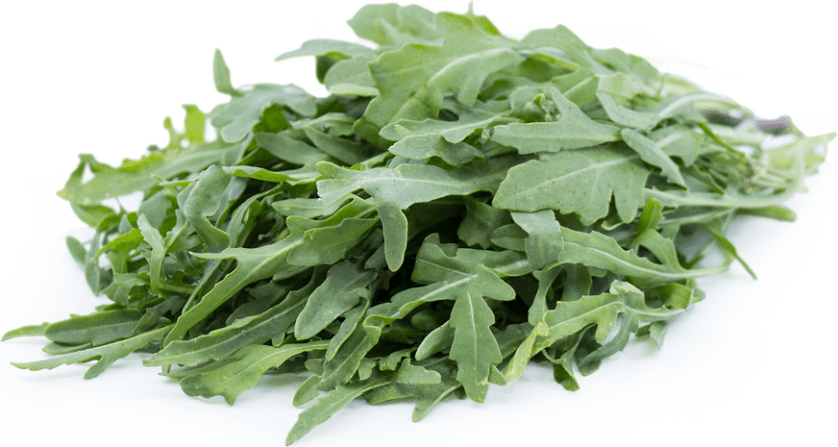
Arugula

This delicious green is nutrient-dense, high in fiber and phytochemicals.

Arugula is a peppery, distinctive-tasting green also known as rucola, salad rocket, and Italian cress. Arugula is low in sugar, calories, carbohydrates, and fat while high in calcium, potassium, folate, Vitamin C and Vitamin K. Arugula is a member of the Brassica, or Cruciferous, family, which includes Brussels sprouts, kale, cauliflower, and broccoli. Arugula’s distinctive peppery crunch adds flair to salads and other cold dishes. Arugula can be used in addition to of in the place of most types of lettuce and herbs. It also boasts a distinctive leaf shape. Its flowers, seeds, and leaves are all edible. Cruciferous vegetables like arugula have been linked to lower incidence of cancer, bone health, heart health, and diabetes prevention.

Arugula, Avocado, Fig and Walnut Salad
1 cup (20 g) arugula PROVIDES
calories 5
fat.55 g
0.516 g0.516 g
calcium 3.2% DV
vitamin C 2.5% DV
vitamin K 27.7% DV
Sources: Medical News Today
Posted in PLANT FOOD FACTS

Eggplant

Eggplant is a high-fiber, low-calorie food that reduces the risk of heart disease and helps with blood sugar control and weight loss.

Eggplant Strips Recipe

Eggplants, also known as aubergines, belong to the nightshade family of plants and are used in many different dishes around the world. They are usually considered a vegetable but because they contain seeds and grow from a flowering plant, they are actually a fruit. There are many varieties. Eggplants with a deep purple skin are most common, but they can be red, green or even black.

1 cup (82 g) eggplant
calories 20
carbohydrates 5 g
protein 1 g
fiber 3 g
manganese 10% RDI
folate 5% RDI
potassium 5% RDI
vitamin C 3% RDI
vitamin K 4% RDI
Sources: healthline
Posted in PLANT FOOD FACTS

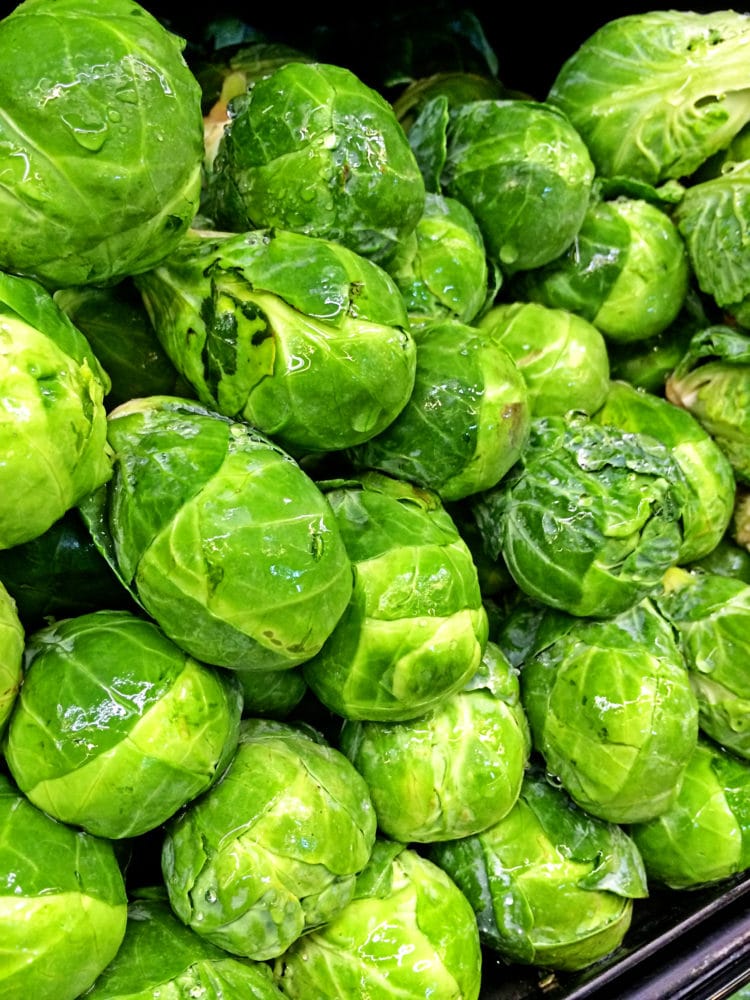
Brussels Sprouts

Brussels sprouts are low in calories but high in many nutrients, especially fiber, vitamin K and vitamin C.

The brussels sprout (español: coles de bruselas) is a member of the Gemmifera Group of cabbages (Brassica oleracea), grown for its edible buds. The leaf vegetables are typically half and inch to one-and-a-half inches in diameter and look like miniature cabbages. They have long been popular in Brussels, Belgium, and may have gained their name there. They contain kaempferol, an antioxidant that may reduce cancer growth, decrease inflammation and promote heart health. Because of their high fiber content, they promote regularity, support digestive health and reduce the risk of heart disease and diabetes. They are very high in Vitamin K, which is important for blood clotting and bone metabolism. The fiber and antioxidants in Brussels sprouts may help keep your blood sugar levels stable. They are a good source of ALA omega-3 fatty acids, which can reduce inflammation, insulin resistance, cognitive decline and blood triglycerides. Brussels sprouts can be roasted, boiled, sautéed or baked. They are a good addition to pasta or stir-fries. Recipe: Brussels Sprouts in Balsamic Dijon Sauce.

1/2 cup (50 g) cooked brussels sprouts
calories 28
carbohydrates 6 g
fat 4 g
fiber 2 g
folate 12% DV
maganese 58% DV
protein 2 g
vitamin A 12% DV
vitamin C 81% DV
vitamin K 137% DV
Sources: Healthline / Wikipedia