Artichokes have a high antioxidant content that may help prevent cancer, manage weight, and control blood sugar and diabetes.
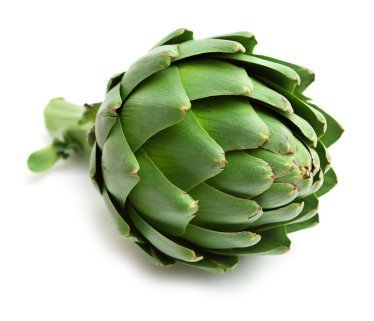
The globe artichoke, also known by the names French artichoke and green artichoke, is a variety of thistle cultivated as food. The edible portion of the plant consists of the flower buds before the flowers come into bloom. The budding artichoke flower-head is a cluster of budding small flowers, together with many bracts, on an edible base. Once the buds bloom, the structure changes to a coarse, barely edible form. Artichokes are frequently prepared by removing all but 5–10 mm of the stem. To remove thorns, which may interfere with eating, around a quarter of each scale can be cut off. To cook, the artichoke is boiled or steamed. A cooked, unseasoned artichoke has a delicate flavour. Salt may be added to the water if boiling artichokes. Placing them in water slightly acidified with vinegar or lemon juice can prevent the discoloration.
They are a good source of fiber and other nutrients. In addition, artichoke nutrition contains some vitamin A, vitamin E, choline, betaine, omega-3 and omega-6.
| 1 medium artichoke (120 g) |
|---|
| calories 63 |
| carbohydrates 14.3 g |
| calcium 3% DV |
| copper 8% DV |
| fat 0.4 g |
| fiber 10.3 g |
| folate 27% DV |
| iron 4% DV |
| magnesium 13% DV |
| manganese 13% DV |
| niacin 7% DV |
| pantothenic acid 3% DV |
| phosphorous 9% DV |
| potassium 10% DV |
| protein 3.5 g |
| riboflavin 6% DV |
| thiamine 4% DV |
| zinc 3% DV |
| vitamin B6 5% DV |
| vitamin C 15% DV |
| vitamin K 22% DV |
 Fruit & Stuff