Posted in PLANT FOOD FACTS

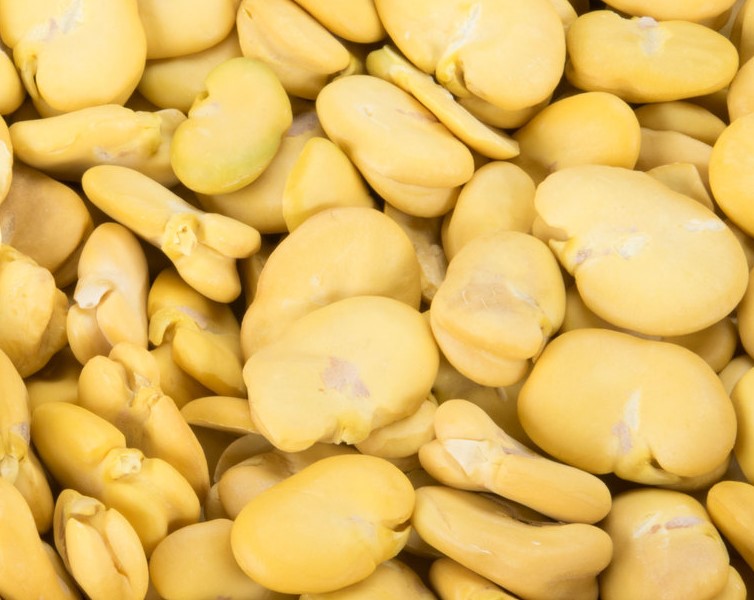
Fava Bean (Habas)

Fava beans are rich in iron, phosphorous, magnesium, and manganese. One serving packs 106% of the daily requirement of folates, important for preventing birth defects.

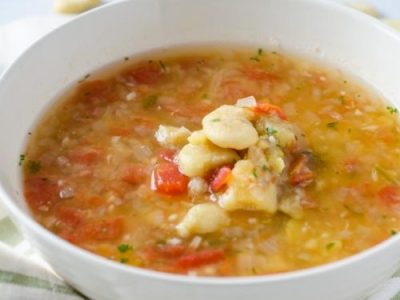
Fava beans, sometimes called horse beans or broad beans (español: habas) come from a species of flowering plant in the Fabaceae pea and bean family. It is widely cultivated as a crop for human consumption. Eating these beans regularly may have benefits for symptoms of Parkinson’s disease, help prevent birth defects, boost immunity, aid weight loss and lower cholesterol levels and blood pressure. Recipe for Mexican Sopa de Habas

Nutrition: 3.5 oz (100 g) fava beans
calories341
calcium10% DV
carbohydrates58.29 g
copper41% DV
fat1.53 g
fiber25 g
folate106% DV
iron52% DV
magnesium54% DV
manganese77% DV
niacin19% DV
phosphorous60% DV
potassium23% DV
protein26.12 g
riboflavin28% DV
selenium12% DV
thiamine48% DV
zinc33% DV
vitamin B628% DV
SOURCES: WIKIPEDIA / HEALTHLINE
Posted in PLANT FOOD FACTS

Leek Facts

Leeks are low in calories and high in provitamin A carotenoids and Vitamin K.

Leek and Potato Soup Recipe

Leeks belong to the same family as onions, shallots, scallions, chives, and garlic. They look like a giant green onion but have a much milder, somewhat sweet flavor and a creamier texture when cooked. They are particularly high in provitamin A carotenoids, including beta carotene, which the body converts into vitamin A, important for vision, immune function, reproduction, and cell communication. They’re also a good source of vitamin K1, which is necessary for blood clotting and heart health. Leeks are also a good source of manganese, which may help reduce premenstrual syndrome symptoms and promote thyroid health. What’s more, they provide small amounts of copper, vitamin B6, iron, and folate. Leeks are rich in antioxidants and sulfur compounds, especially kaempferol and allicin. These are thought to protect your body from disease. The fiber and water in leeks can promote fullness, prevent hunger, and promote digestive health.

To prepare them, cut the roots and dark green ends off, keeping only the white and light green parts. Slice them lengthwise and rinse under running water, scrubbing away the dirt and sand that may have accumulated between their layers. Leeks can be eaten raw, but you can also poach, fry, roast, braise, boil, or pickle them. They make a great addition to soups, dips, stews, taco fillings, salads, quiches, stir-fries, and potato dishes. You can refrigerate raw leeks for about a week and cooked ones for around two days.

3.5 oz (100 g) leek provides
CARBOHYDRATE14.15 g
CALORIES61
FAT0.3 g
FIBER1.8 g
PROTEIN1.5 g
CALCIUM6% DV
IRON16% DV
MAGNESIUM8% DV
MANGANESE23% DV
PHOSPHOROUS5% DV
POTASSIUM4% DV
VITAMIN A (RETINOL)10% DV
VITAMIN B1 (THIAMINE)5% DV
VITAMIN B2 (RIBOFLAVIN)3% DV
VITAMIN B3 (NIACIN)3% DV
VITAMIN B5 (PANTOTHENIC ACID)3% DV
VITAMIN B618% DV
VITAMIN B9 (FOLATE)16% DV
VITAMIN C14% DV
VITAMIN E6% DV
VITAMIN K45% DV
SOURCE: healthline
Posted in PLANT FOOD FACTS

Lentil Facts

Lentils are low in calories but high in protein, fiber, B Vitamins, iron, folate, magnesium, zinc, and potassium.

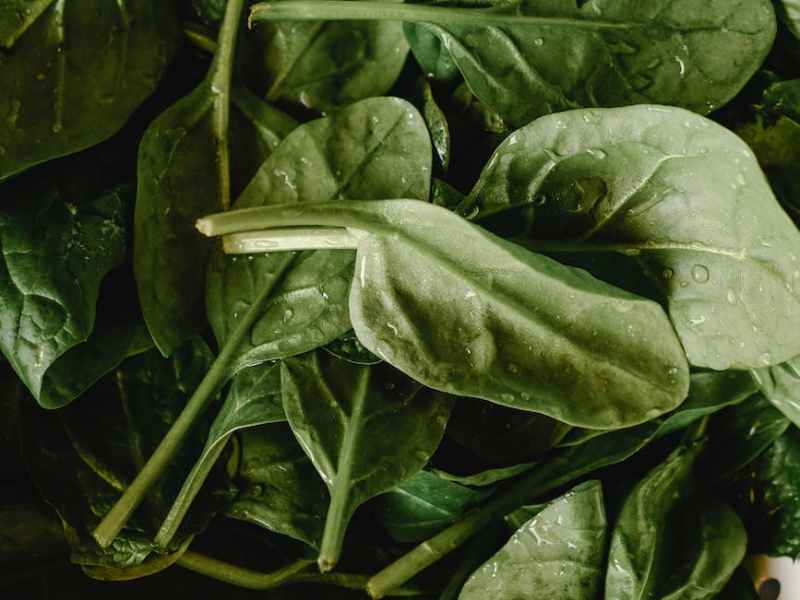
Lentil and Spinach Salad Recipe

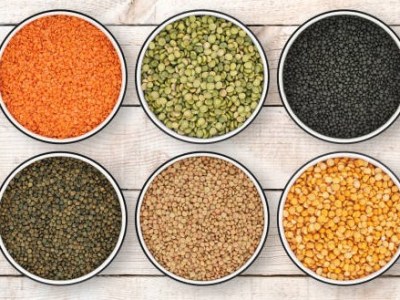
Lentils (lentejas) are edible seeds from the legume family. They are a food staple in Turkey, Syria, Jordan, Morocco, and Tunisia. Some of the most common types of lentils are brown, puy, green, yellow and red, and beluga. Brown lentils are the most widely known type. They’re easily cooked in 5–30 minutes and do not require soaking. Lentils are an excellent source of plant-based protein and fiber, B vitamins, iron, magnesium, potassium, and zinc. They also provide polyphenols, which have antioxidant and anti-inflammatory properties with potential cancer cell-inhibiting effects. Furthermore, lentils contain a broad range of beneficial phytochemicals, which protect against chronic diseases. Eating lentils has positive effects on several risk factors for heart disease and type 2 diabetes. It helps lower blood pressure and levels of homocysteine. Lentils are very filling and appear to keep blood sugar levels steady. and eating lentils may help decrease your overall food intake, which could contribute to weight loss.

It should be noted that lentils contain antinutrients such as trypsin inhibitors and phytic acid, which reduce the absorption of some nutrients. However, the amounts are small, and cooking lentils will minimize these.

1 cup of cooked lentils provides
39.9 gCARBOHYDRATE
230CALORIES
0.8 gFAT
15.6 gFIBER
17.9 gPROTEIN
55% DVCOPPER
37% DVIRON
17% DVMAGNESIUM
43% DVMANGANESE
28% DVPHOSPHOROUS
16% DVPOTASSIUM
23% DVZINC
28% DVVITAMIN B1 (THIAMINE)
13% DVVITAMIN B3 (NIACIN)
25% DVVITAMIN B5 (PANTOTHENIC ACID)
21% DVVITAMIN B6
90% DVVITAMIN B9 (FOLATE)
Sources: healthline
Posted in FEATURED, NUTRIENTS

Vitamin B9 (Folate)

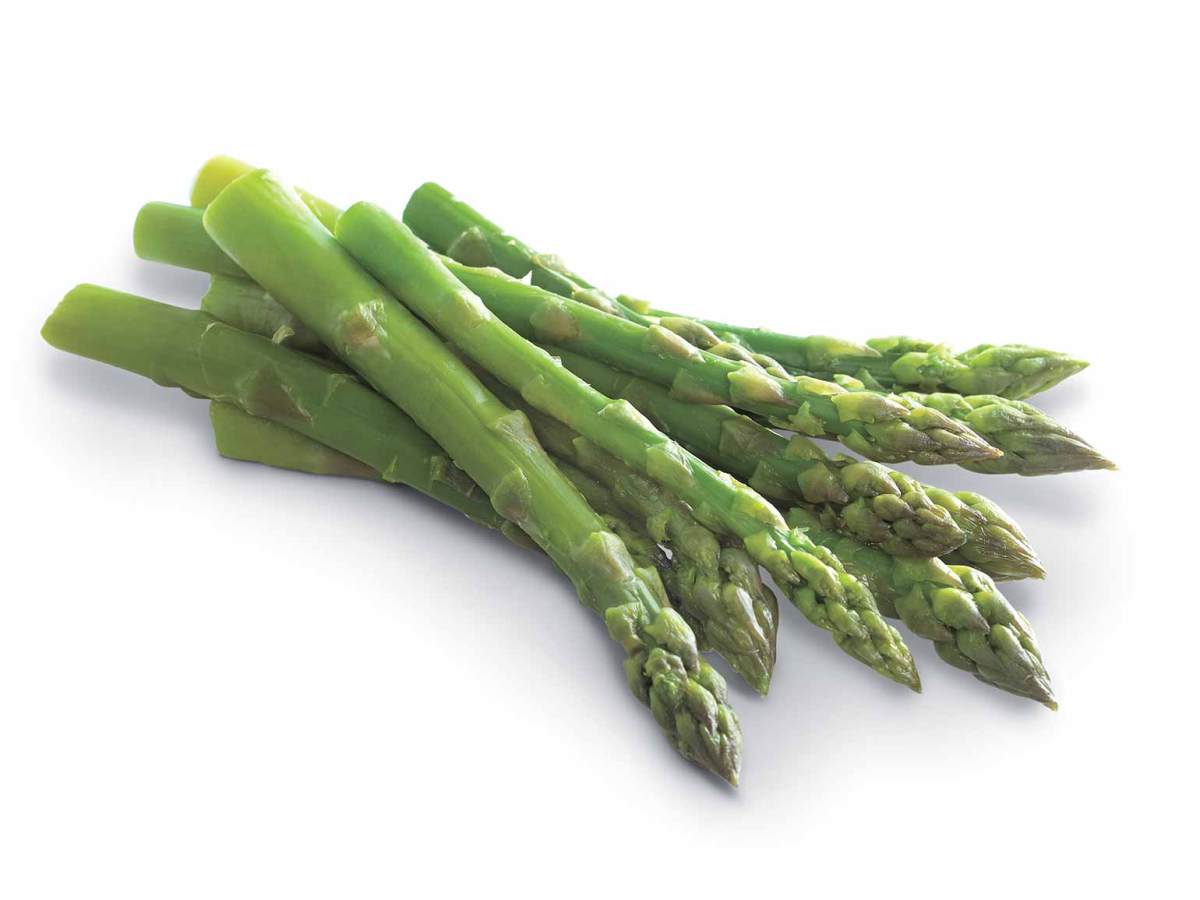
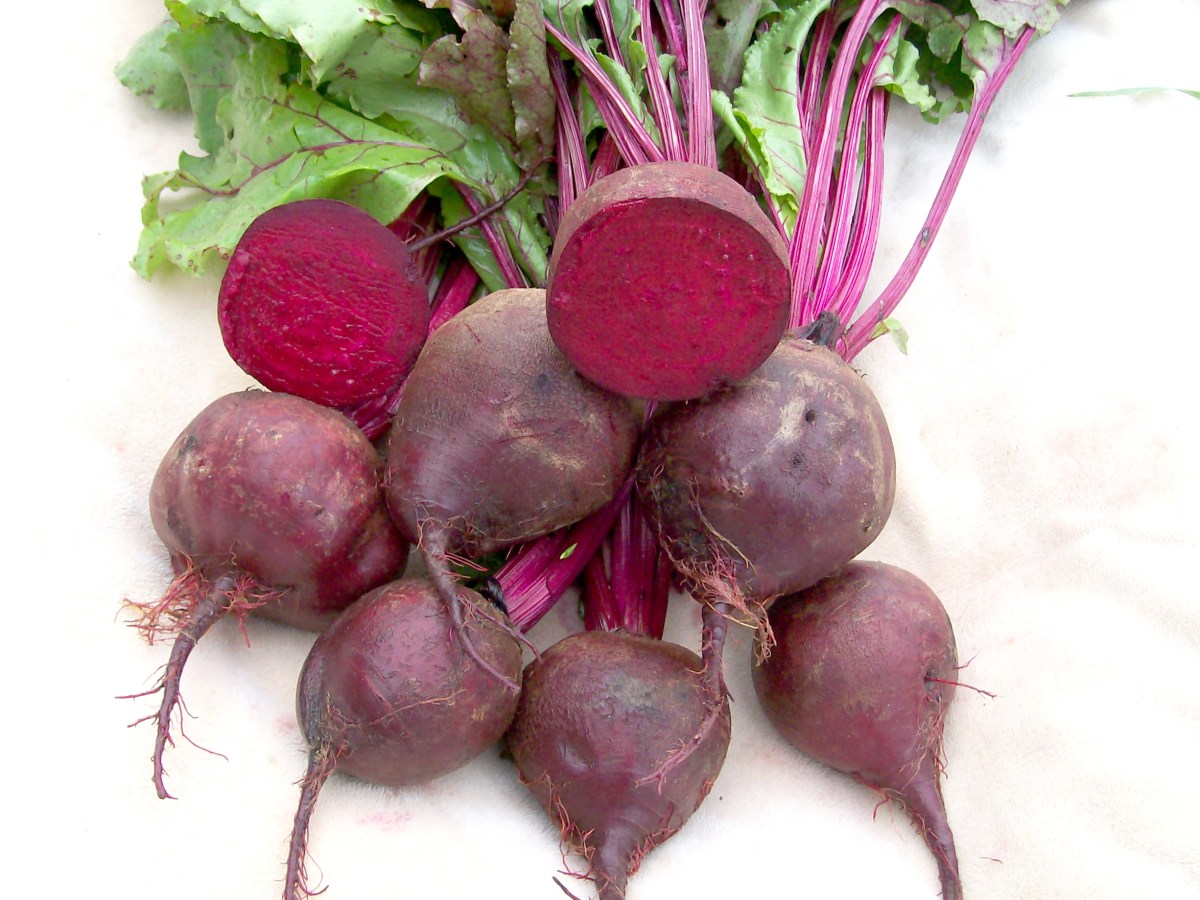
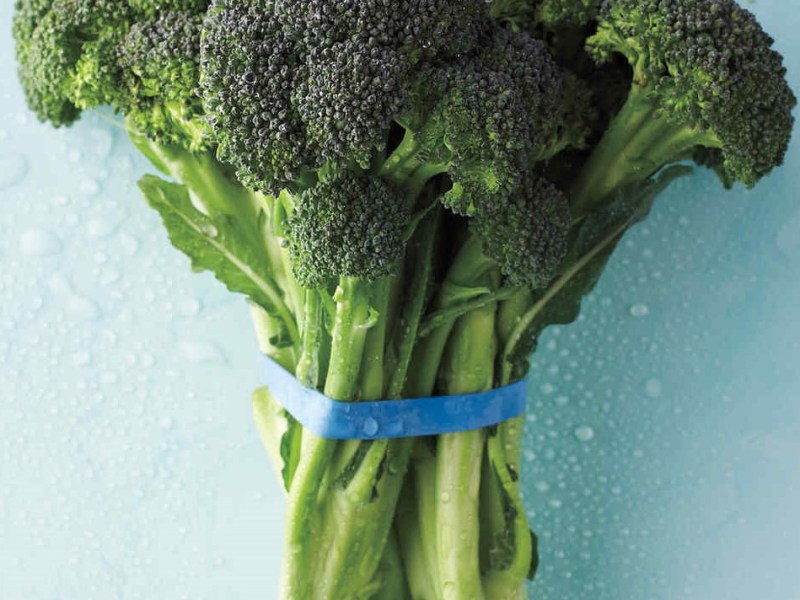
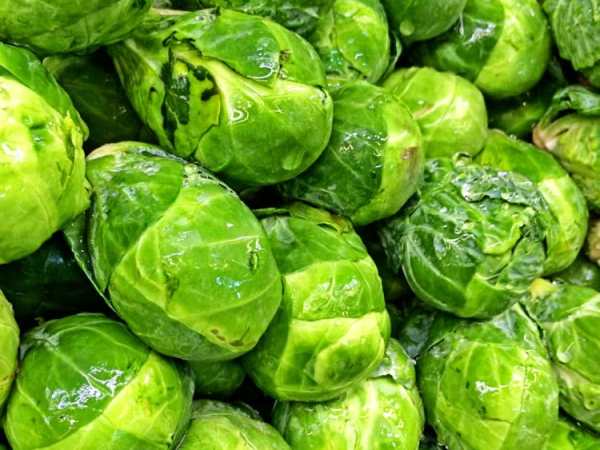
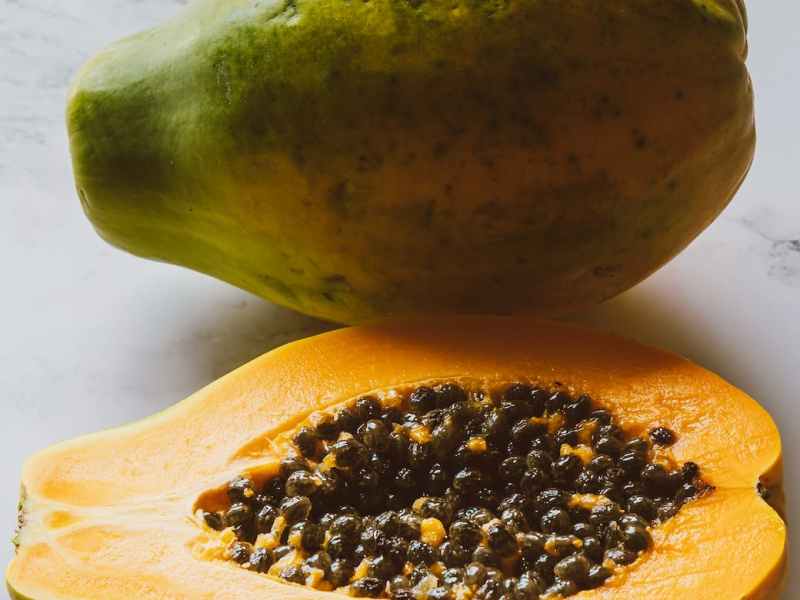
Some plant-based food sources of folate are asparagus, avocado, banana, beans, beets, broccoli, Brussels sprouts, citrus fruits, lentils, lettuce, nuts and seeds, papaya, peas, spinach, and wheat germ. Vitamin B9 (Folate) is essential for producing red and white blood cells in bone marrow and transforming carbohydrates into energy. Folate is especially important during periods of rapid growth, such as pregnancy, infancy, and adolescence. It’s best to get folate from whole foods. Folic acid, often confused with folate, is a synthetic form of vitamin B9 used in supplements and added to processed food products, such as flour and breakfast cereals. Several studies indicate that chronically elevated levels of unmetabolized folic acid may have adverse health effects. High levels of unmetabolized folic acid have been associated with increased cancer risk. Among elderly people, high folic acid levels can mask vitamin B12 deficiency which, if untreated, may increase the risk of dementia and impaired nerve function. A folate deficiency can lead to lack of energy, poor immune function and impaired digestion. Folate is especially important nutrient for pregnant women to prevent birth defects like spina bifida.

Source: Healthline

The recommended daily intake (RDI) of folate varies with age and gestation or lactation:

AGE OR CONDITION0-6 mos7-12 mos1-3 yrs4-8 yrs9-13 yrs14+ yrspregnancylactation
RDI65 mcg80 mcg150 mcg200 mcg300 mcg400 mcg600 mcg500 mcg
Source: Medical News Today


Posted in PLANT FOOD FACTS

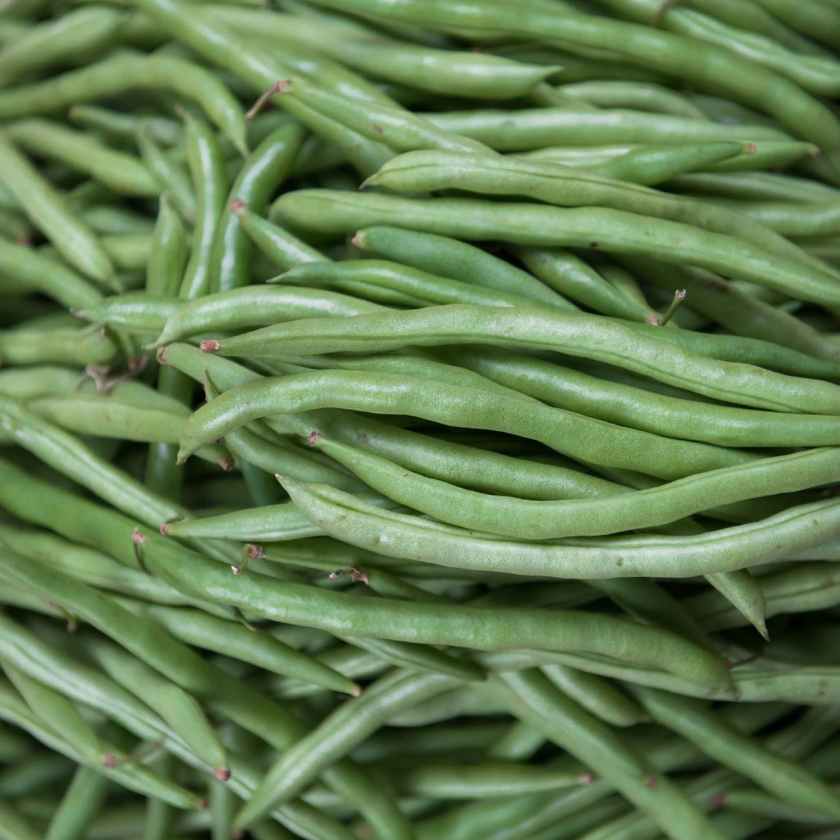
Green Bean Facts

Green beans, string beans, or snap beans are a rich source of vitamins A, C, K, folate, and fiber.

Recipe: Green Bean and Toasted Garlic

They have nutritional benefits similar to snap peas and okra. There are more than 130 varieties of green beans. Fresh green beans are a better choice than canned, which contain large amounts of sodium. Before eating the canned variety, you should rinse them thoroughly.

1 cup (150 g) snap beans
calories 28
carbohydrate 5.66 g
fat .55 g
protein 1.42 g
fiber 2.6 g
sugar 1.94 g
calcium 17 mg
folate 32 mcg
iron 1.2 mg
magnesium 18 mg
phosphorous 30 mg
potassium 130 mg
vitamin A 24 mcg
vitamin K 52.5 mcg
Sources: Medical News Today
Posted in PLANT FOOD FACTS

Chayote Facts

One cup of chayote provides 31% of daily folate requirements and 17% of Vitamin C.

Chayote (español: chayote) (Sechium edule) is a type of squash that belongs to the gourd family. Chayote is green and pear-shaped with a white inner flesh that is mild, sweet, juicy and crisp. The chayote plant is perennial and native to the tropics of the Western Hemisphere. Chayote is available year-round but its peak season is fall.

It is loaded with B vitamins, potassium and vitamin C. Chayote is rich in folate, a B vitamin essential to cell division and DNA formation. Extracts of chayote leaf, stem and seed have antimicrobial benefits against strains of bacteria, even some that are antibiotic-resistant.

A folate deficiency can lead to lack of energy, poor immune function and impaired digestion. Folate is especially important nutrient for pregnant women to prevent birth defects like spina bifida.

Nutrition: 1 cup chayote
calories 25
carbohydrates 6 g
fat 0 g
fiber 2.2 g
folate 31% DV
magnesium 4% DV
manganese 12% DV
niacin 3% DV
potassium 5% DV
protein 1.1 g
sugar 2.2 g
zinc 7% DV
vitamin B6 5% DV
vitamin C 17% DV
vitamin K 7% DV
SOURCES: DR. AXE
Posted in PLANT FOOD FACTS

Black-eyed Peas Facts

Black-eyed peas are rich in fiber, iron, folate, potassium and Vitamin A.

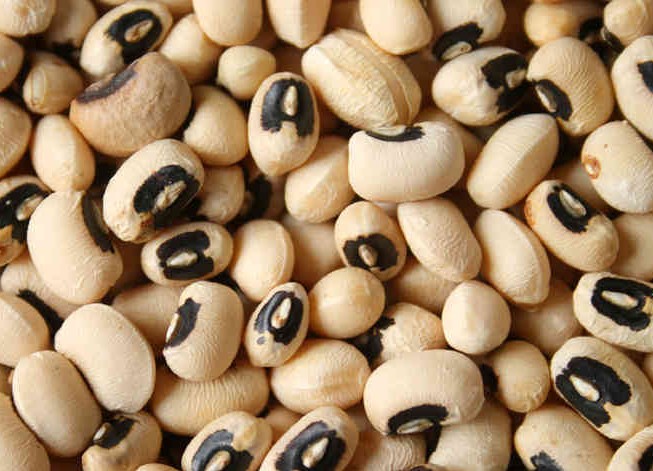
The black-eyed pea (español: guisante de ojo negro) (Vigna unguiculata), also called black-eyed bean, cowpea or southern pea, is an annual plant from the pea family (Fabaceae) and is grown for its edible legumes. Black-eyed peas get their name from their appearance. They’re cream-colored with a little black speck that resembles an eye. Although their name would make you think they’re a type of pea, black-eyed peas are actually beans.

Black-eyed peas have high levels of dietary fiber, which helps to promote regular bowel movements and improve digestive health. They are high in iron and in folate, a B vitamin needed to make normal red blood cells. Low levels of folate can cause anemia. Black-eyed peas are rich in potassium, a mineral that helps keep your blood pressure levels at healthy numbers and lowers your risk of heart disease. They are surprisingly high in vitamin A, with more than one-fourth of your daily vitamin A needs in one cup. Vitamin A helps maintain healthy skin and mucus membranes, and it produces the pigments in the retina of the eye. They are a great addition to stews, soups, curries and salads. They can also be a perfect side dish, or they can be mashed into a dip.

1 cup of black-eyed peas, cooked
calcium 211 mg (21% DV)
calories 160
carbohydrates 36 g
fat 0.6 g
fiber 8.2 g
folate 210 mcg (52.5% DV)
iron 1.9 mg (10.6% DV)
magnesium 86 mg (22% DV)
niacin 2.3 mg (11.5% DV)
phosphorous 84 mg (8.4% DV)
potassium 690 mg (19.7% DV)
protein 5.2 g
riboflavin 0.2 mg (11.8% DV)
thiamine 02 mg (13.3% DV)
zinc 1.7 mg (11.3% DV)
vitamin A 1305 IU (26% DV)
vitamin B6 0.1 mg (5% DV)
Source: Dr. Axe
Posted in PLANT FOOD FACTS

Asparagus Facts

Asparagus is anti-inflammatory and antioxidant. It is a good source of Vitamin K, Vitamin B1, Thiamine, and Fiber.

Asparagus is a perennial flowering plant species in the genus Asparagus. Its young shoots are used as a spring vegetable. It is widely cultivated as a vegetable crop. It serves as a natural diuretic, nourishes the digestive tract. It helps with a healthy pregnancy, helps fight cancer, and supports skin health. Asparagus can be eaten raw and makes a good addition to salads. Lightly steamed, blanched, or roasted asparagus is a delicious side dish with almost any meal. Recipe for Sauteed Asparagus.

1 cup asparagus
calories 27
copper 13% DV
fiber 1.7 g
folate 17% DV
iron 16% DV
niacin (B3) 7% DV
potassium 8% DV
protein 3 g
riboflavin (B2) 11% DV
thiamine (B1) 13% DV
vitamin A 20% DV
vitamin B6 6% DV
vitamin C 13% DV
vitamin K 70% DV
Sources: Wikipedia / healthline /Dr. Axe