Posted in FEATURED, RECIPES

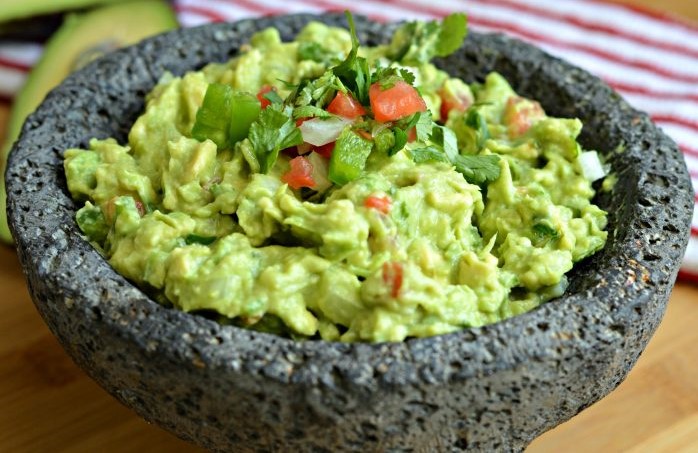
Guacamole Recipe

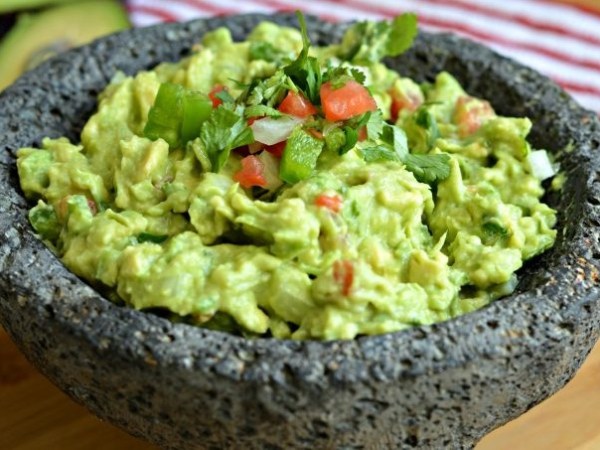
This traditional guacamole combination is served all over Mexico as a side dish with chips, or as a main ingredient in a taco.

  • PREP 20 min / SERVES 4
  • INGREDIENTS
    • 2 peeled ripe AVOCADOS
    • 1/2 c chopped TOMATOES
    • 1/4 c chopped ONION
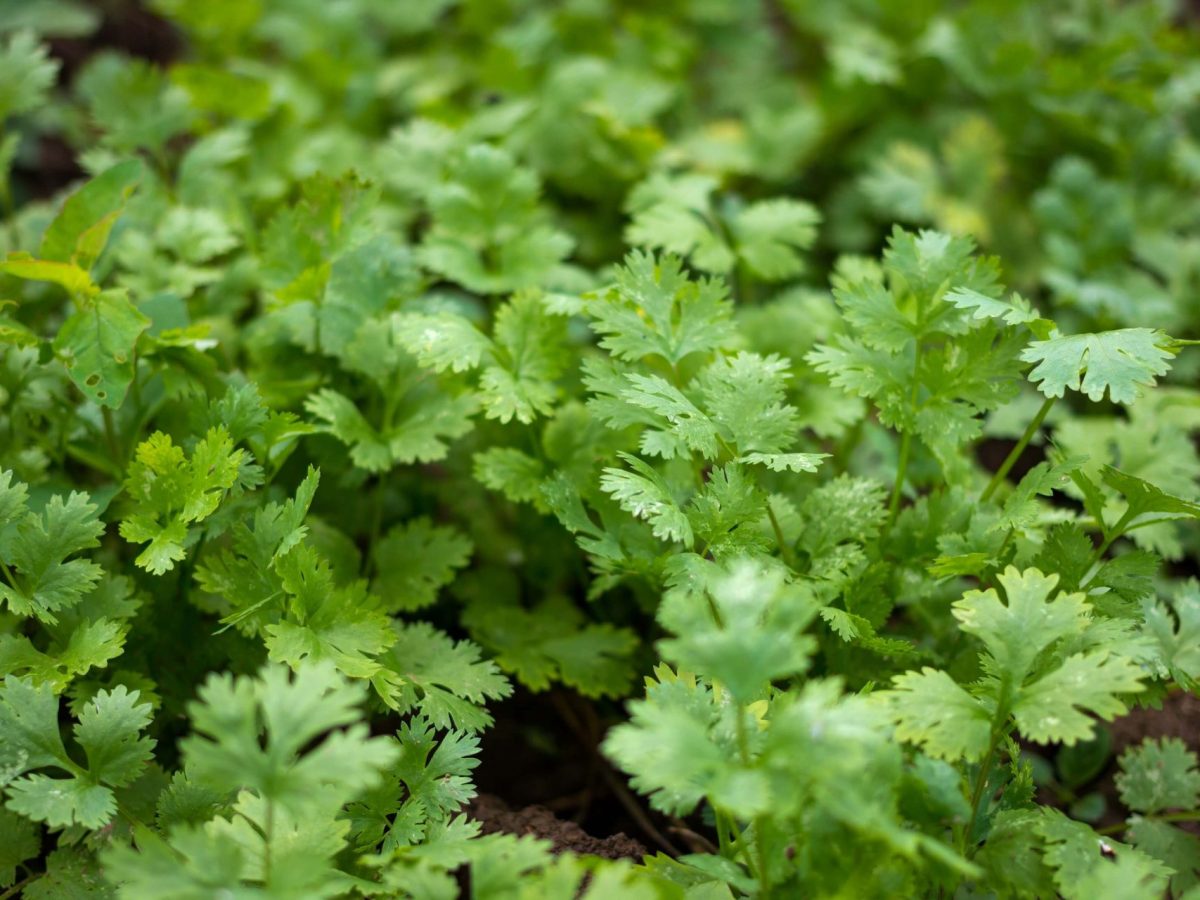
    • 1/4 c chopped CILANTRO
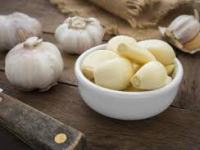
    • 1 clove crushed GARLIC
    • 2 Tbsps LEMON JUICE
    • 1 small SERRANO CHILE, seeded and chopped
    • SALT and PEPPER to taste
  • INSTRUCTIONS
    1. Mash the avocados until creamy
    2. Add other ingredients and stir lightly until well mixed

Avocado Facts

Avocados have become very popular in the last fifty years, but I still consider them relative newcomers to the United States. Avocados improve heart health; support eye, skin, and hair health; fight cancer cell growth; promote weight loss; enhance digestive health; protect against diabetes; and decrease arthritis symptoms.
Garlic Facts

Garlic has been used as a traditional medicine as well as a food flavoring. It is a healthy and delicious addition to many dishes around the world. Its medicinal benefits for both cure and prevention require larger doses, which should be taken with the supervision and advice of a knowledgeable medical practitioner.

Posted in NUTRIENTS

Vitamin B3 (Niacin)

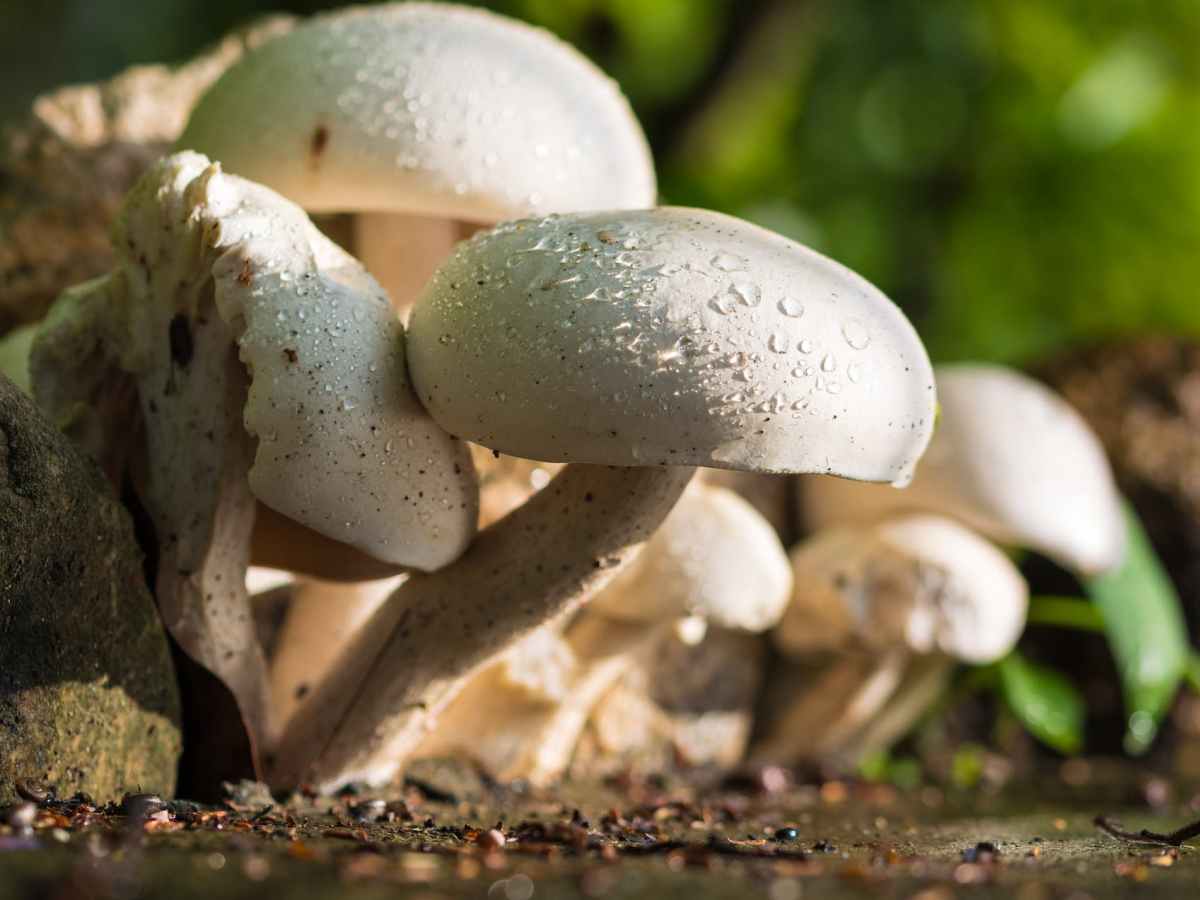
PEANUTS, AVOCADOS, BROWN RICE, MUSHROOMS, GREEN PEAS, WHOLE-WHEAT PRODUCTS, and WHITE POTATOES are good plant food sources of Vitamin B3 (niacin), a micronutrient that your body uses for proper metabolism, nervous system function and antioxidant protection. It’s an essential nutrient — meaning that you must obtain it from food, as your body cannot produce it on its own. Since niacin is water soluble, any surplus is excreted through your urine rather than stored in your body. Therefore, it’s important to regularly consume niacin-rich foods. The recommended dietary allowance (RDA) for this nutrient is 16 mg per day for men and 14 mg per day for women — enough to meet the needs of approximately 98% of adults.

plant food SourcemG of NIACIN%DV
2 tablespoons peanut butter4.325
1 large baked potato4.225
1 medium avocado3.521
1 cup cooked brown rice3.521
1 cup mushrooms2.515
1 cup green peas3.020
Recommended daily allowance for adults: 14-16 mg

Source: Healthline

Posted in PLANT FOOD FACTS

Avocado Facts

Avocados are a source of key nutrients, including healthy fats and fiber. They also contain anti-inflammatory and antioxidant compounds and may help reduce heart disease risk. As you can see, avocados are exceptionally nutritious fruits and are a concentrated source of healthy fats and fiber, plus a number of vitamins and minerals.

The avocado is a member of the flowering plant family Lauraceae. The fruit of the plant is botanically a large berry containing a single seed. Avocados are cultivated in tropical and Mediterranean climates throughout the world. In 2017, Mexico produced 34% of the world supply of avocados. Avocados are delicious as they are–just peel and slice or scoop with a spoon. A quarter of an avocado in a smoothie gives it a delicious creamy texture that blends well with other flavors. Avocados can be used in salsas, dips, and salad dressings, and, of course, they are the key ingredient in the Mexican dish that is appreciated worldwide–Guacamole!

1 seven (7) oz (201 g) avocado contains%DV
CARBOHYDRATE17 G
CALORIES322
FAT0.3 G
FIBER14 G
PROTEIN4 G
COPPER42%
FOLATE41%
MAGNESIU12%
MANGANESE12%
POTASSIUM21%
VITAMIN B2 (RIBOFLAVIN)20%
VITAMIN B3 (NIACIN)22%
VITAMIN B5 (PANTOTHENIC ACID)56%
VITAMIN B6 (PYRODOXINE)30%
VITAMIN C22%
VITAMIN E28%
VITAMIN K35%
SOURCE: HEALTHLINE

RECIPES AND NUTRITION

Guacamole Recipe

This traditional guacamole combination is served all over Mexico as a side dish with chips, or as a main ingredient in a taco.

Vitamin B5

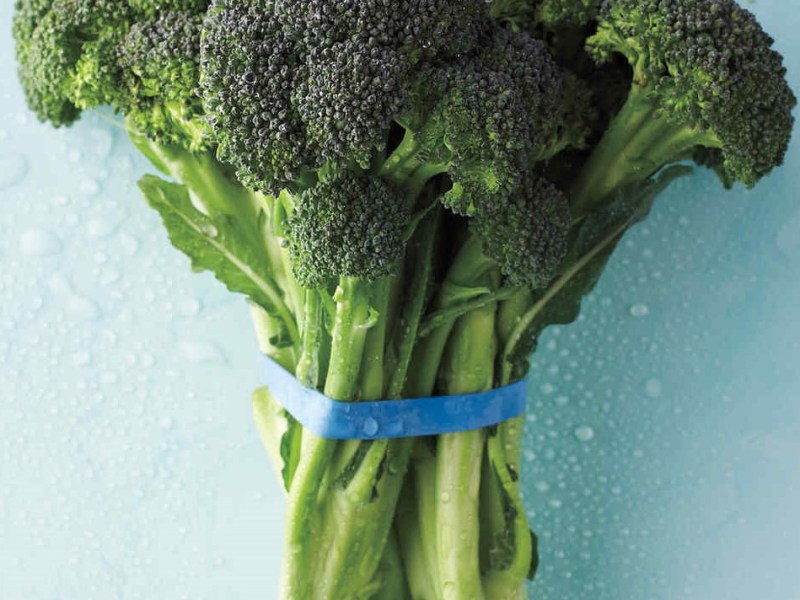
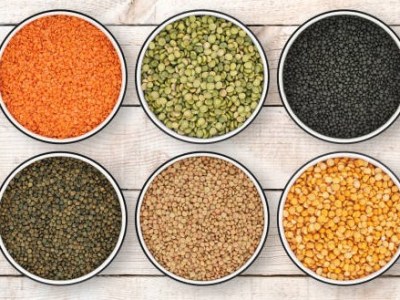
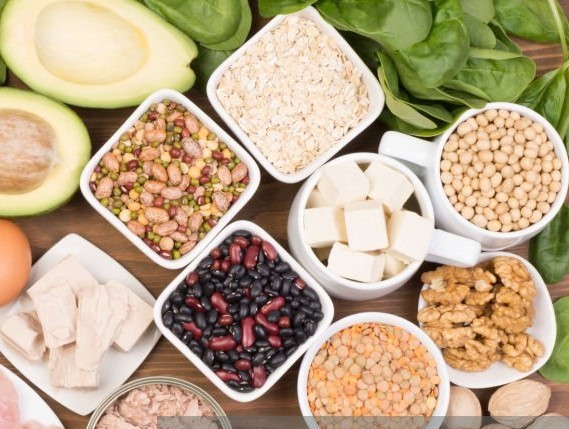
Broccoli, cabbage, potatoes, mushrooms, nuts, beans, peas, and lentils are rich in Vitamin B5. Vitamin B5 (Pantothenic Acid) is needed for making blood cells, and it helps convert food into energy. B vitamins are also needed for healthy skin, hair, and eyes; proper functioning of the nervous system and liver; healthy digestive tract; making red…

Copper

Some plant food sources of copper are whole grains, beans, yeast, dark leafy greens, dried fruits, black pepper, almonds, potatoes, cocoa, cashews. Copper plays a role in making red blood cells and maintaining nerve cells and the immune system. Copper also helps the body form collagen and absorb iron, and plays a role in energy production. Most…

Vitamin B9 (Folate)

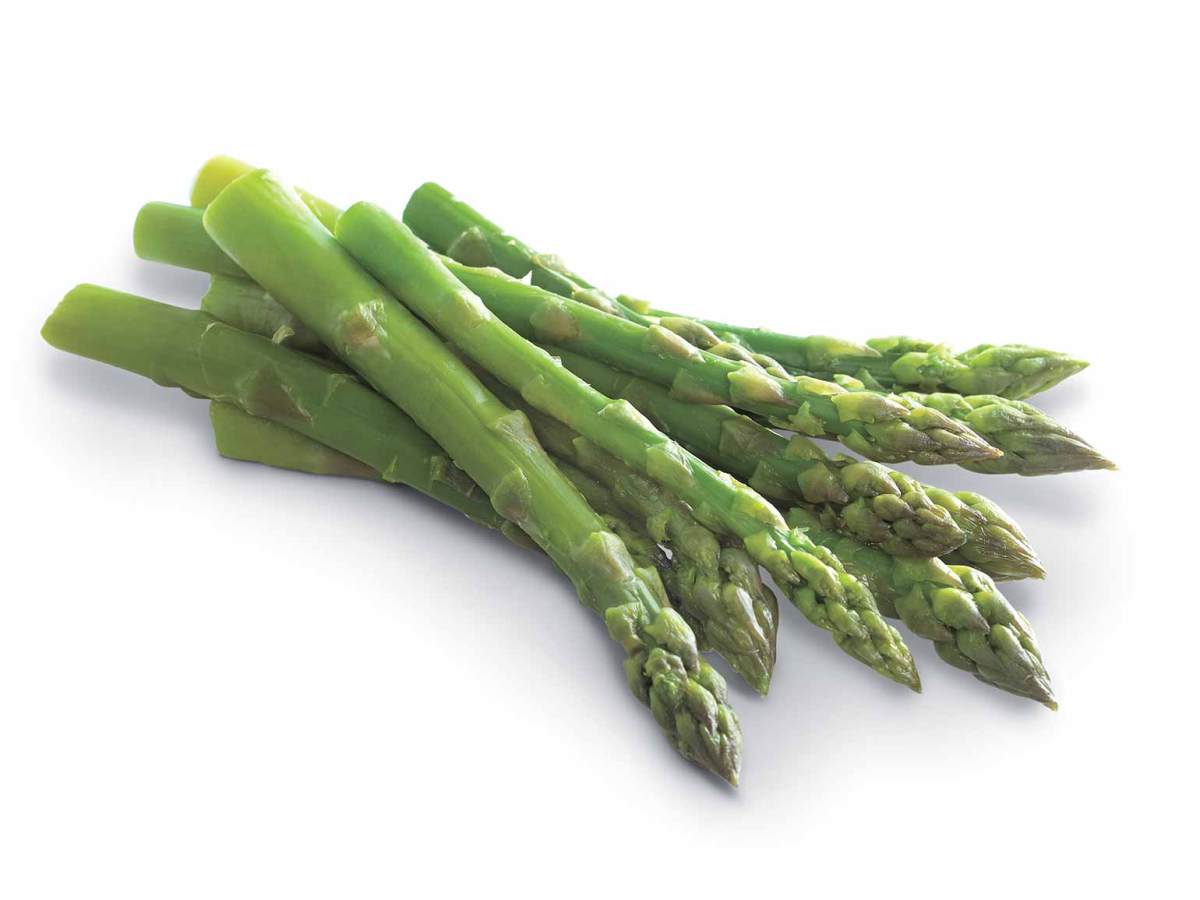
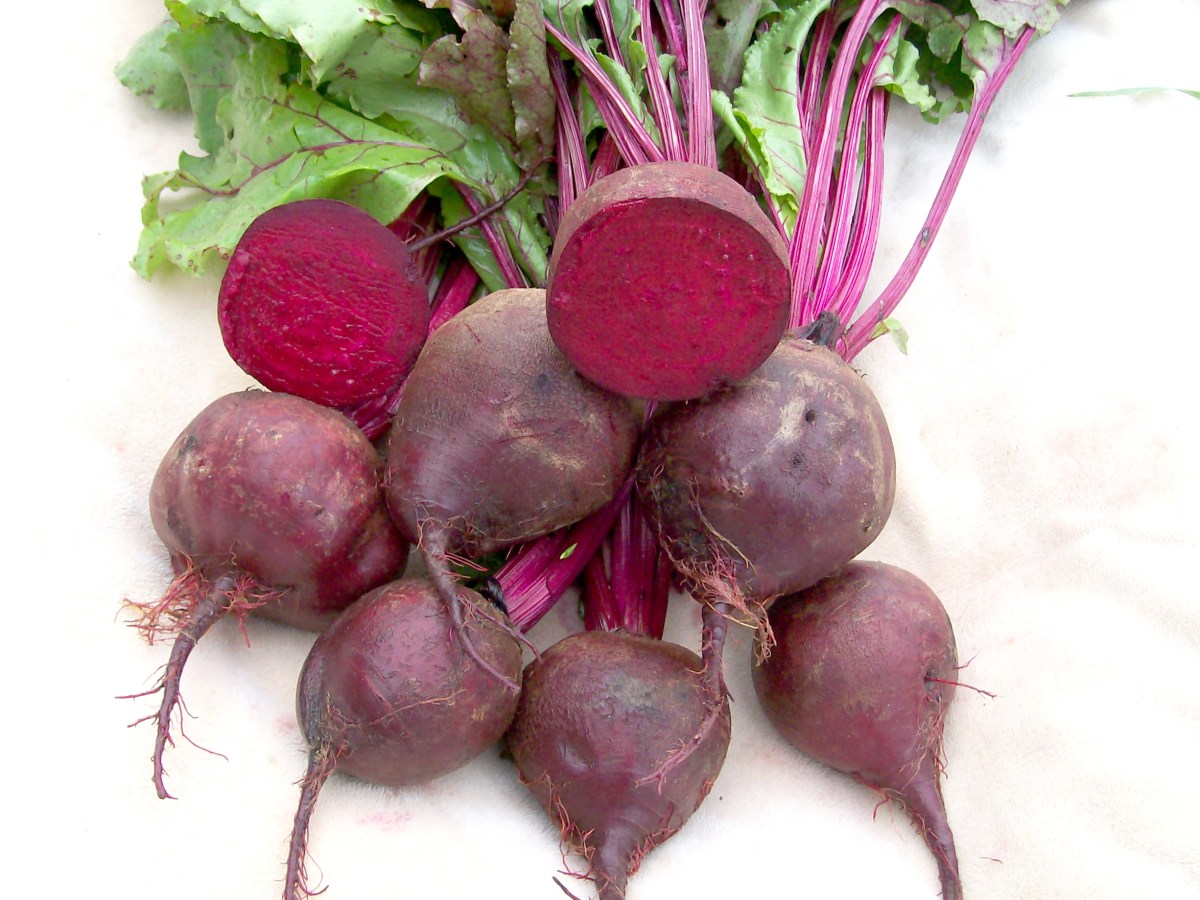
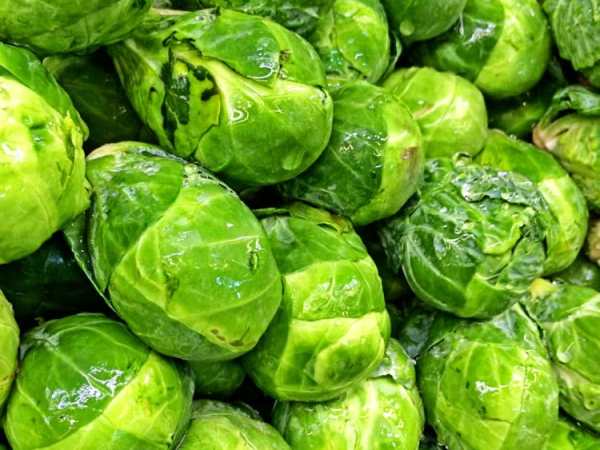
Some plant-based food sources of folate are asparagus, avocado, banana, beans, beets, broccoli, Brussels sprouts, citrus fruits, lentils, lettuce, nuts and seeds, papaya, peas, spinach, and wheat germ. Vitamin B9 (Folate) is essential for producing red and white blood cells in bone marrow and transforming carbohydrates into energy. Folate is especially important during periods of rapid…

Vitamin K

Leafy green vegetables are among the plant foods rich in Vitamin K. Vitamin K helps make proteins needed for blood clotting and building bones. Prothrombin is a vitamin K-dependent protein directly involved with blood clotting. Osteocalcin is another protein that requires vitamin K to produce healthy bone tissue. Vitamin K is found throughout the body…