Posted in PLANT FOOD FACTS

Ginger

Ginger, a delicious spicy addition to many favorite dishes, has also been widely used in traditional medicine.

Ginger is the spicy root of the flowering plant Zingiber officinale. It is used to season many kinds of food, and it also has a long history as a folk medicine treatment for multiple ailments. The edible portion of the thick root, called a rhizome, is available in the produce section of most grocery stores. Dried and ground ginger can also commonly be found in the herbs and spices aisle.

Research suggests that eating ginger provides multiple health benefits, inculding nausea relief, pain relief, and blood sugar management. The health benefits of ginger are mainly attributed to its phenolic compounds, such as gingerols and shogaols. Ginger possesses multiple biological activities, including antioxidant, anti-inflammatory, antimicrobial, anticancer, neuroprotective, cardiovascular protective, respiratory protective, antiobesity, antidiabetic, antinausea, and antiemetic activities.

Source: NIH
Posted in PLANT FOOD FACTS

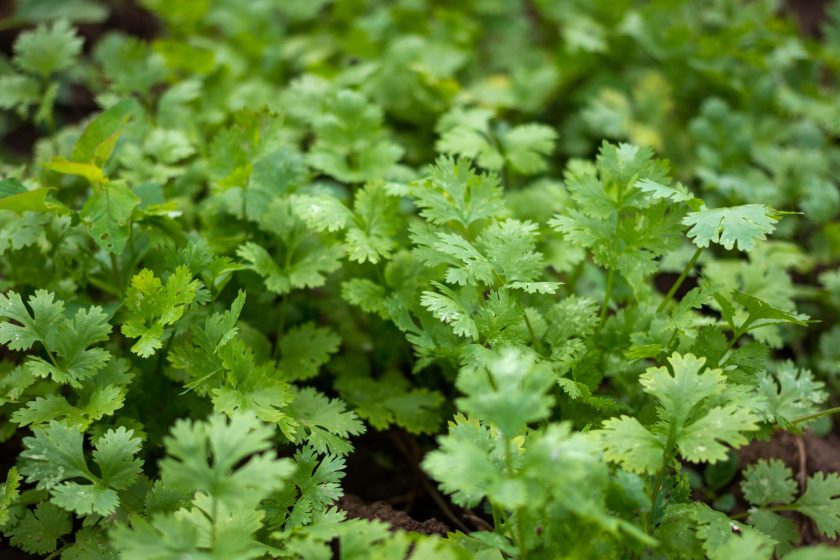
Cilantro (Coriander)

Cilantro is especially rich in Vitamin K, which aids in healthy blood clotting.

Coriander (español: cilantro) (Coriandrum sativum), also known as Chinese parsley or cilantro, is related to parsley, carrots, and celery. All parts of the plant are edible, but the fresh leaves and the dried seeds are the parts most used in cooking. It may help lower blood sugar, fight infections, and promote heart, brain, skin, and digestive health. In the United States, Coriandrum sativum seeds are called coriander, while its leaves are called cilantro. Coriander seeds, extract, and oils may all help lower blood sugar. Animal studies suggest that coriander seeds reduce blood sugar by promoting enzyme activity that helps remove sugar from the blood. Coriander offers several antioxidants, which prevent cellular damage caused by free radicals. Some animal and test-tube studies suggest that coriander may lower heart disease risk factors, such as high blood pressure and LDL (bad) cholesterol levels. Many brain ailments, including Parkinson’s, Alzheimer’s, and multiple sclerosis, are associated with inflammation. Coriander contains antimicrobial compounds that may help fight certain infections and foodborne illnesses. Dodecenal, a compound in coriander, may fight bacteria like Salmonella, which can cause life-threatening food poisoning.

Cilantro can grow roots if the stems are placed in a glass of water. Once the roots are long enough, plant them in a pot. In a few weeks new sprigs will be starting, and in a few months you’ll have a full plant. How to grow plants with cuttings from the kitchen.

Nutrition: 3.5 oz cilantro (100 g)
calories 23
calcium 7% DV
carbohydrates 3.67 g
fat 0.52 g
fiber 2.8 g
folate 16% DV
iron 14% DV
magnesium 7% DV
manganese 20% DV
niacin 7% DV
pantothenic acid 11% DV
phosphorous 7% DV
potassium 11% DV
protein 2.13 g
riboflavin 14% DV
sodium 3% DV
sugar 0.87 g
thiamine 6% DV
zinc 5% DV
vitamin A 42% DV
vitamin B6 11% DV
vitamin C 33% DV
vitamin E 17% DV
vitamin K 295% DV
SOURCES: HEALTHLINE / WIKIPEDIA

Posted in MEXICAN SPECIALS, PLANT FOOD FACTS

Chayote

One cup of chayote provides 31% of daily folate requirements and 17% of Vitamin C.

Chayote (español: chayote) (Sechium edule) is a type of squash that belongs to the gourd family. Chayote is green and pear-shaped with a white inner flesh that is mild, sweet, juicy and crisp. The chayote plant is perennial and native to the tropics of the Western Hemisphere. Chayote is available year-round but its peak season is fall.

It is loaded with B vitamins, potassium and vitamin C. Chayote is rich in folate, a B vitamin essential to cell division and DNA formation. Extracts of chayote leaf, stem and seed have antimicrobial benefits against strains of bacteria, even some that are antibiotic-resistant.

A folate deficiency can lead to lack of energy, poor immune function and impaired digestion. Folate is especially important nutrient for pregnant women to prevent birth defects like spina bifida.

Nutrition: 1 cup chayote
calories 25
carbohydrates 6 g
fat 0 g
fiber 2.2 g
folate 31% DV
magnesium 4% DV
manganese 12% DV
niacin 3% DV
potassium 5% DV
protein 1.1 g
sugar 2.2 g
zinc 7% DV
vitamin B6 5% DV
vitamin C 17% DV
vitamin K 7% DV
SOURCES: DR. AXE