
Avocados are widely considered among the superfoods, nutrient-dense, whole foods packed with high levels of antioxidants, vitamins, minerals, and fiber that may promote health, boost immunity, and help prevent diseases. While not a legally defined or scientifically recognized category, superfoods are commonly touted for exceptional nutrient-rich properties.
The avocado is a member of the flowering plant family Lauraceae. The fruit of the plant is botanically a large berry containing a single seed. Avocados are cultivated in tropical and Mediterranean climates throughout the world. Avocados are delicious as they are–just peel and slice or scoop with a spoon. A quarter of an avocado in a smoothie gives it a delicious creamy texture that blends well with other flavors. Avocados can be used in salsas, dips, and salad dressings, and, of course, they are the key ingredient in the Mexican dish that is appreciated worldwide–Guacamole! Avocados are a source of key nutrients, including healthy fats and fiber. They also contain anti-inflammatory and antioxidant compounds and may help reduce heart disease risk. Avocados are exceptionally nutritious fruits and are a concentrated source of healthy fats and fiber, plus a number of vitamins and minerals.
| 1 seven (7) oz (201 g) avocado contains | %DV | |
|---|---|---|
| CARBOHYDRATE | 17 G | |
| CALORIES | 322 | |
| FAT | 0.3 G | |
| FIBER | 14 G | |
| PROTEIN | 4 G | |
| VITAMIN B2 | 20% | |
| VITAMIN B3 (NIACIN) | 22% | |
| VITAMIN B5 (PANTOTHENIC ACID) | 56% | |
| VITAMIN B6 (PYRODIXINE) | 30% | |
| VITAMIN B9 (FOLATE) | 41% | |
| VITAMIN C | 22% | |
| VITAMIN E | 28% | |
| VITAMIN K | 35% | |
| COPPER | 42% | |
| MAGNESIUM | 12% | |
| MANGANESE | 12% | |
| POTASSIUM | 21% |
RECIPES
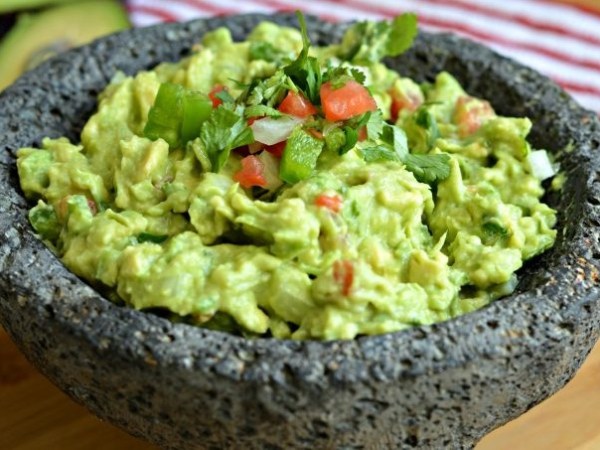
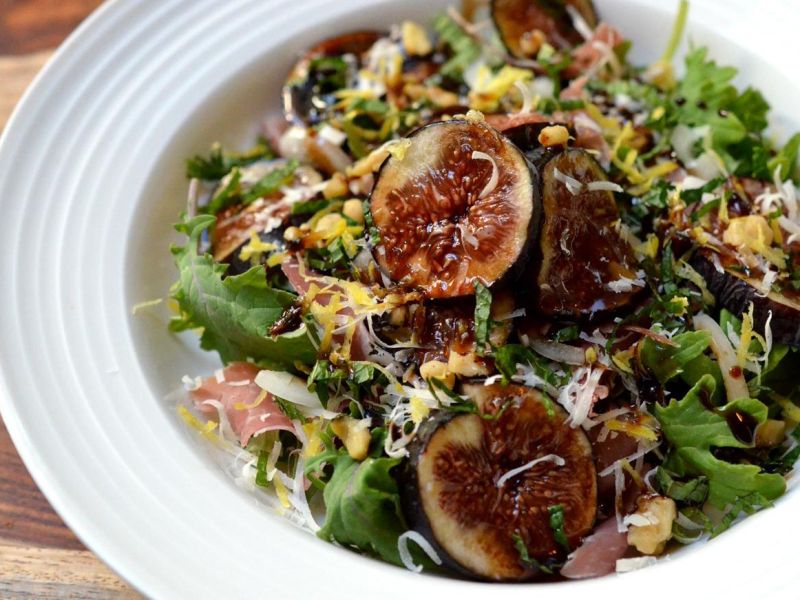
Fig and Avocado Salad
Arugula, fresh figs, walnuts, and avocado slices are combined with a tasty vinaigrette.
 Fruit & Stuff