
What does fat do?
Fat is an important nutrient your body needs for energy, cell growth, and absorbing certain vitamins. While some dietary fat is necessary, limiting total fat and saturated fat may improve your overall health. Dietary fat is a calorie dense nutrient, and including too much in your diet may contribute to excess body weight. Saturated fats raise your LDL (“bad”) cholesterol and increase your risk of cardiovascular disease. Replacing them with unsaturated fats as part of a healthy diet can help you lower your cholesterol and maintain a moderate weight.
How much do I need?
For most adults, the Dietary Guidelines for Americans recommends that total fat not exceed 20% to 35% of daily calories. Saturated fat should not be more thhan 10% of daily calories. Unsaturated fats are typically liquid at room temperature. They come from plant sources and fatty fish, like salmon. Including unsaturated fats in your diet may lower your LDL cholesterol levels. They also provide essential fatty acids your body needs but can’t produce, like omega-6s and omega-3s. Trans fats are created artificially and also occur naturally in small amounts in some animal products. Trans fats raise your LDL cholesterol and lower your HDL (“good”) cholesterol. The main source of artificial trans fats in processed foods is partially hydrogenated vegetable oils. These fats are solid at room temperature and can improve the taste and shelf life of foods. The Food and Drug Administration no longer recognizes partially hydrogenated vegetable oils as safe. As of July 2018, manufacturers can no longer add them to foods in the United States.
Are supplements recommended?
Vegans or individuals with severe dietary restrictions may need Omega-3 (EPA/DHA) supplements if they are not consuming enough from plant-based
What are some good plant food sources of fat?
OLIVE OIL, CANOLA OIL, SOYBEAN OIL, WALNUTS, FLAXSEEDS, SUNFLOWER SEEDS, AVOCADOS, PEANUT BUTTER
Plant Foods Rich in Healthy Fats

Avocado Facts *superfood*
Avocados improve heart health; support eye, skin, and hair health; fight cancer cell growth; promote weight loss; enhance digestive health; protect against diabetes; and decrease arthritis symptoms.

Walnut Facts
Some benefits of eating walnuts are heart health, prevention of cancer, bone health, immune system function, nerve health, and regulation of body clock.
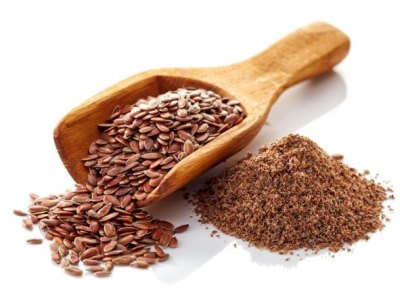
Flaxseed Facts
Among the claims made for it are that it may reduce cancer risk, improve cholesterol, lower blood pressure, help control blood sugar, and aid in weight control. The health benefits were observed with just 1 tablespoon (10 grams) of ground flax seeds per day. However


 Fruit & Stuff