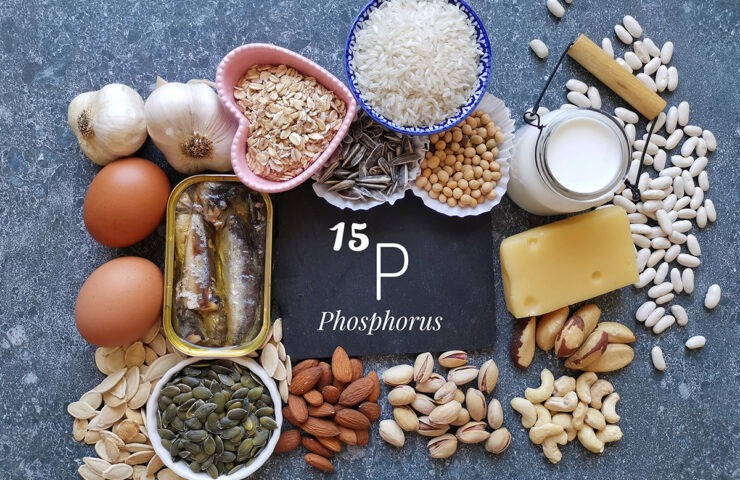
What does phosphorous do? Phosphorous is needed for strong and healthy bones and teeth. It helps manage storage and use of energy, filters out waste in the kidneys, and grows, maintains, and repairs tissue and cells.
How much do I need? The amount of phosphorus you need in your diet depends on your age. Adults need less phosphorus than children between the ages of 9 and 18, but more than children under age 8. Most people can get the necessary amount of phosphorus through the foods they eat. The recommended dietary allowance (RDA):
- adults (ages 19 years and older): 700 mg
- children (ages 9 to 18 years): 1,250 mg
- children (ages 4 to 8 years): 500 mg
- children (ages 1 to 3 years): 460 mg
- infants (ages 7 to 12 months): 275 mg
- infants (ages 0 to 6 months): 100 mg
Are supplements recommended? A balanced diet that contains enough calcium and protein will likely have enough phosphorus because many foods that are high in calcium are also high in phosphorous.
What are some good plant food sources of phosphorous? LENTILS, CASHEWS, WHOLE GRAINS, and POTATOES, are plant food sources of phosphhorous. However, phosphorus in nuts, seeds, grains, and beans is bound to phytate, making it harder to absorb. In addition, calcium can also bind and prevent phosphorus absorption. Soaking, sprouting, and fermentation can be used to reduce the phytic acid content of foods. For more information about phytic acid, click here.
Source: Healthline
Phosphorous-Rich Foods and Recipes
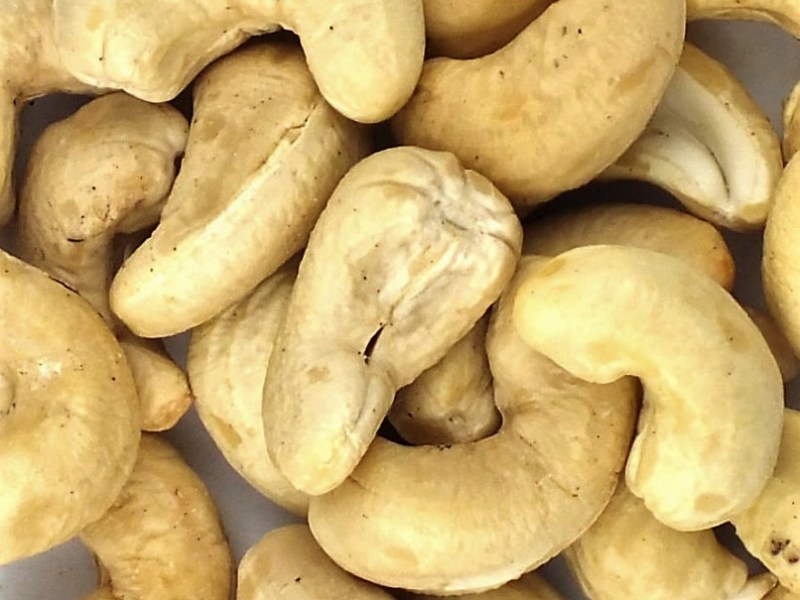
Cashew Facts
Cashews pack 67% of the daily copper requirement, needed to form red blood cells.
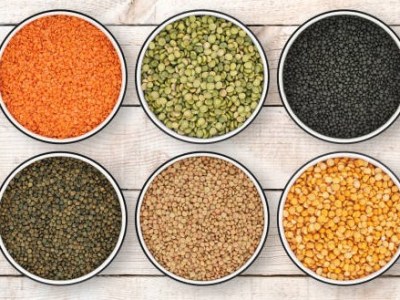
Lentil Facts
Low in calories, high in protein, fiber, B Vitamins, iron, folate, magnesium, zinc, and potassium.


 Fruit & Stuff