Posted in PLANT FOOD FACTS

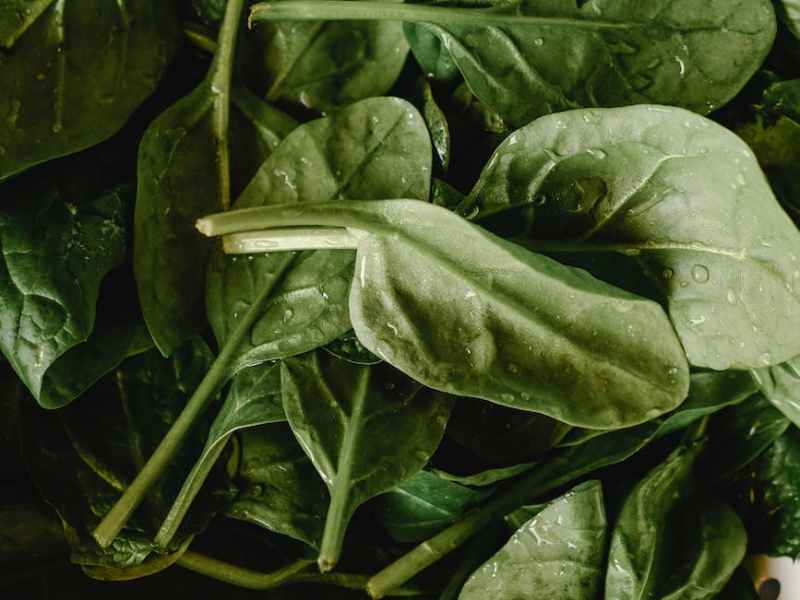
Spinach

Spinach (español: espinacas) is a leafy green flowering plant whose leaves are consumed cooked or raw. Spinach is a good source of VITAMIN C, IRON, POTASSIUM, VITAMIN E, and MAGNESIUM. The possible health benefits of consuming spinach include blood glucose control, lower risk of cancer, and improved bone health. As part of a nutritious diet, it can help support immune function, aid the digestive system, may even have anticancer properties. Spinach is typically safe to consume as part of a well-rounded, nutritious diet, but some people may benefit from limiting their intake of this vegetable. Spinach is rich in dietary oxalate, which can increase a person’s risk of kidney stones. The high oxalate content may be reduced by steaming. Spinach contains:

  • Alpha-lipoic acid
    • an antioxidant which lowers glucose levels, increases insulin sensitivity, and prevents oxidative, stress-induced changes in patients with diabetes.
  • Vitamin K
    • Scientists have found a link between low intakes of vitamin K and a higher risk of bone fracture. Vitamin K acts as a modifier of bone matrix proteins, improves calcium absorption, and may reduce the amount of calcium that leaves the body in urine.
  • Protein and carbohydrates.
    • Most of the calories from protein and carbohydrates, which play important roles in the body, from maintaining eye health to reducing inflammation.
  • Chlorophyll
    • Research suggests chlorophyll may have anticancer properties and that people who eat diets rich in green vegetables may have a lower risk of cancer.
  • Potassium
    • It can help reduce the effects of sodium in the body. A low potassium intake might be as potent a risk factor for developing high blood pressure as a high sodium intake.
  • Fiber and water
    • Both help prevent constipation and promote a healthy digestive tract.
  • Vitamin A
    • It moderates oil production in the skin pores and hair follicles to moisturize the skin and hair. A buildup of this oil can lead to acne. Vitamin A is necessary for the growth of all bodily tissues, including skin and hair.
  • Vitamin C
    • It is crucial for building and maintaining collagen, which provides structure to skin and hair.
  • Iron
    • Iron deficiency is a common cause of hairloss, which a person can help prevent with a diet of sufficient iron-rich foods, such as spinach.
1 cup of spinach contains%DV
CALORIES7
PROTEIN0.86G
CALCIUM29.7MG
IRON0.81G
MAGNESIUM24MG
POTASSIUM167MG
VITAMIN A (RETINOL)141MCG
VITAMIN B9 (FOLATE)58MCG
SOURCE: MEDICAL NEWS TODAY / WIKIPEDIA
Posted in RECIPES

Huitlacoche Tacos

This basic taco mix is quick, easy, and delicious! Huitlacoche is rich in potassium, which reduces blood pressure and protects against stroke, osteoporosis, and kidney stones.

PREP20 minTEMPmediumCOOK11 minSERVES8
  • INGREDIENTS
    • 2 Tbsps OIL
    • 1 lb HUITLACOCHE, rinsed and cut into bite-sized pieces
    • 1/4 MEDIUM ONION, finely chopped
    • 2 cloves GARLIC, finely chopped
    • 4 EPAZOTE leaves (optional)
    • SALT to taste
    • 8 CORN TORTILLAS
    • SALSA to taste
  • DIRECTIONS
    1. Lightly saute the ONION until transparent
    2. Add the GARLIC and continue to saute for 1 minute
    3. Add the HUITLACOCHE and EPAZOTE. Continue to cook for 5 minutes. Do not overcook
    4. Add SALT to taste
    5. Serve the mixture in a warm TORTILLA
    6. Add your favorite SALSA
Posted in MEXICAN SPECIALS, PLANT FOOD FACTS

Corn Smut (Huitlacoche)

Corn smut (español: huitlacoche) is an edible fungus known in Mexico as the delicacy huitlacoche. It is served in soups or as a filling in tacos and other tortilla-based foods. It has been called Mexican truffle and Aztec caviar. It is a plant disease caused by the pathogenic fungus Ustilago maydis that causes smut on maize and teosinte. The fungus forms galls on all above-ground parts of corn species. Huitlacoche is rich in potassium, which reduces blood pressure and protects against stroke, osteoporosis, and kidney stones.

100 g of corn smut contains
CARBOHYDRATE7.88 g
CALORIES40
FIBER4.4 g
POTASSIUM334 mg
SOURCES: WIKIPEDIA / FATSECRET
Posted in PLANT FOOD FACTS

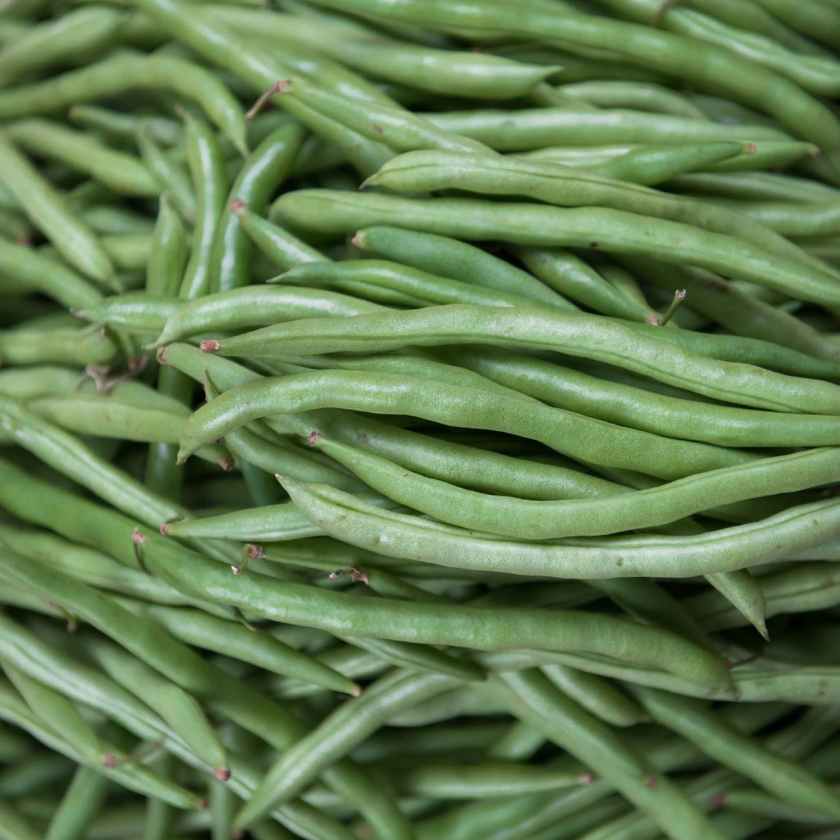
Green Beans

Green beans, string beans, or snap beans are a rich source of vitamins A, C, K, folate, and fiber.

Recipe: Green Bean and Toasted Garlic

They have nutritional benefits similar to snap peas and okra. There are more than 130 varieties of green beans. Fresh green beans are a better choice than canned, which contain large amounts of sodium. Before eating the canned variety, you should rinse them thoroughly.

1 cup (150 g) snap beans
calories 28
carbohydrate 5.66 g
fat .55 g
protein 1.42 g
fiber 2.6 g
sugar 1.94 g
calcium 17 mg
folate 32 mcg
iron 1.2 mg
magnesium 18 mg
phosphorous 30 mg
potassium 130 mg
vitamin A 24 mcg
vitamin K 52.5 mcg
Sources: Medical News Today
Posted in NUTRIENTS

Potassium

Beet greens, lima beans, bake potato and yams are rich in potassium. Potassium is an essential mineral that is needed in the body for electrolyte and water balance, in addition to the daily functioning of cells. Certain types of cooking, such as boiling, can destroy the potassium in some foods so it is often better to steam, bake or stir-fry vegetables. Food processing reduces the amount of potassium in many foods and a diet high in processed foods and low in fresh fruits and vegetables is often lacking in potassium. The recommended daily amount of potassium for an adut is 4,700 milligrams, so it is important to include potassium-rich foods in daily meals.

Plant food sources of potassiummg of potassium
1/2 cup beet greens, cooked655
1/2 cup lima beans, cooked485
1/2 medium baked potato with skin463
1/2 cup yam, cooked456
1/2 cup acorn squash, cooked448
1/2 cup spinach, cooked420
1/2 cup portabella mushrooms, cooked265
1/2 cup prune juice354
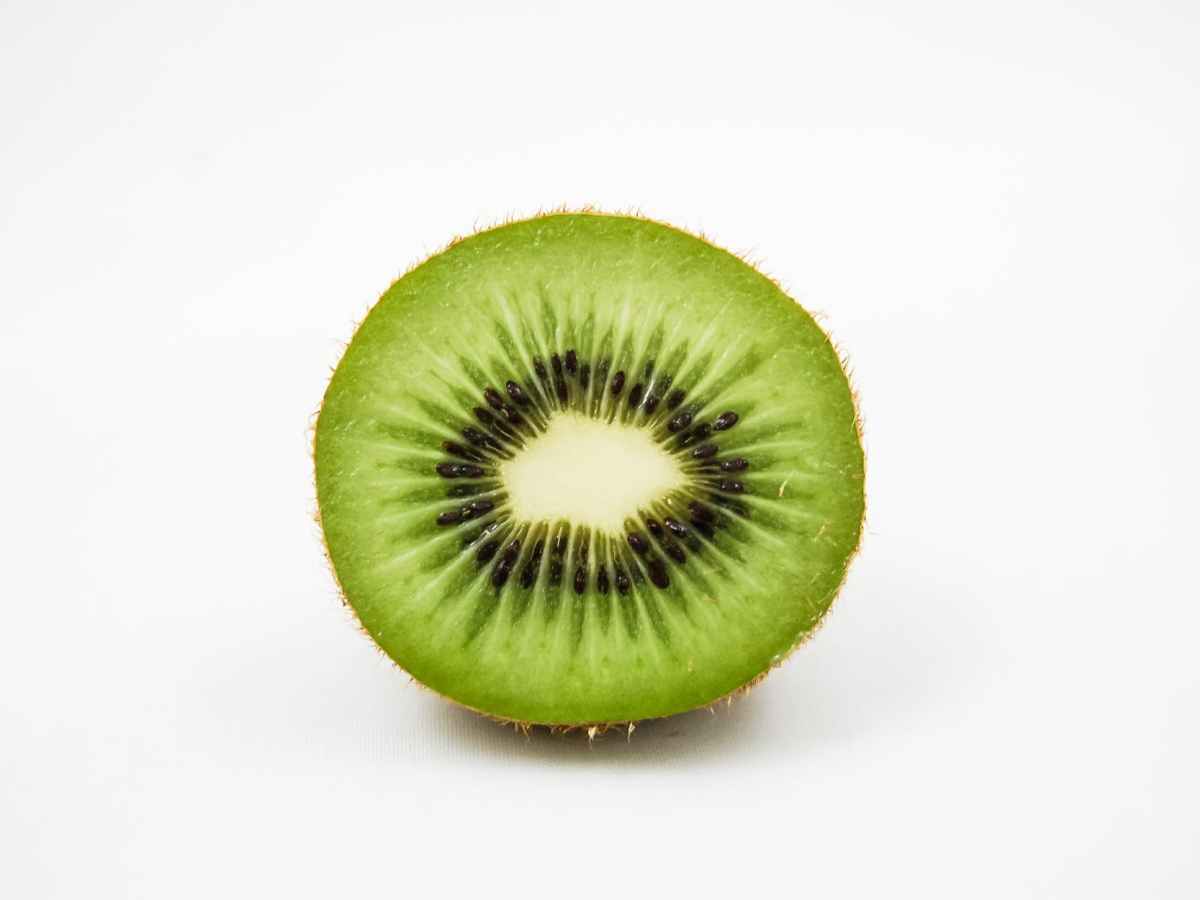
1/2 cup kiwi281
1/2 cup orange juice258
1/2 cup apricots201
1/2 ounce pistachios143
1/2 cup unsweetened coconut water198
Source: Dietary Guidelines for Americans
Posted in PLANT FOOD FACTS

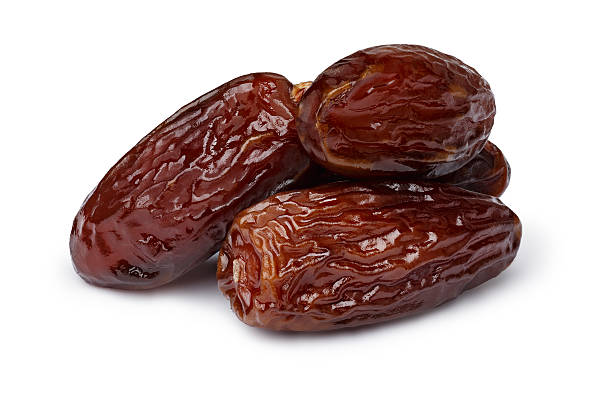
Dates

Dates (español: dátiles) are an ancient food, mentioned 50 times in the Bible and 20 times in the Qu’aran. They have been a staple food of the Middle East and the Indus Valley for thousands of years. There is archaeological evidence of date cultivation in Arabia from the 6th millennium BCE, and fossil records show that the date palm has existed for at least 50 million years. Although they are high in calories, they are an excellent substitute for the empty calories of refined sugar because of their nutritional benefits. Deglet Noor dates are the most common variety seen in the West, but Medjool dates, which are sweeter and softer, are frequently recommended in recipes. They are more expensive and may be harder to find. They are similar in nutritional content.

Nutrition: 3.5 oz (100 g) dried pitted dates
calories 277
carbohydrates 75 g
copper 18% RDI

fiber 7 g
iron 5% DV
magnesium 14% RDI
manganese 15% RDI
potassium 20% RDI
protein 2 g
vitamin B6 12% RDI
SOURCES: HEALTHLINE
Posted in PLANT FOOD FACTS

Cherries

Cherries contain antioxidants, phytochemicals, vitamins, nutrients, and fiber.

Cherry (español: cereza) is the fruit of many plants of the genus Prunus, and is a fleshy drupe (stone fruit). Commercial cherries are obtained from cultivars of several species, such as the sweet Prunus avium and the sour Prunus cerasus. Cherries contain antioxidants, phytochemicals, vitamins, nutrients, and fiber. These support a healthy system and may reduce the risk of certain types of cancers.

Phytochemicals protect against certain enzymes that can lead to inflammation. This can help reduce arthritis pain. Cherries are a good source of vitamin C and potassium. Potassium can reduce the risk of hypertension and stroke, and cherries have more per serving than strawberries or apples. Compared to sweet cherries, raw sour cherries contain 50% more vitamin C per 100 g (12% DV) and about 20 times more vitamin A (8% DV). Recipe for Cherry Jam

3.5 oz (100 G) raw sour cherries contains
calories 50
calcium2% DV
carbohydrates12.2 g
choline1% DV
fat0.3 g
fiber1.6 g
folate2% DV
iron2% DV
magnesium3% DV
manganese5% DV
niacin3% DV
pantothenic acid3% DV
phosphorous2% DV
potassium4% DV
protein1 g
riboflavin3% DV
sugar8.5 g
thiamine3% DV
zinc1% DV
vitamin A8% DV
vitamin B63% DV
vitamin C12% DV
vitamin K2% DV
SOURCES: WIKIPEDIA / HEALTHLINE
Posted in MEXICAN SPECIALS, PLANT FOOD FACTS

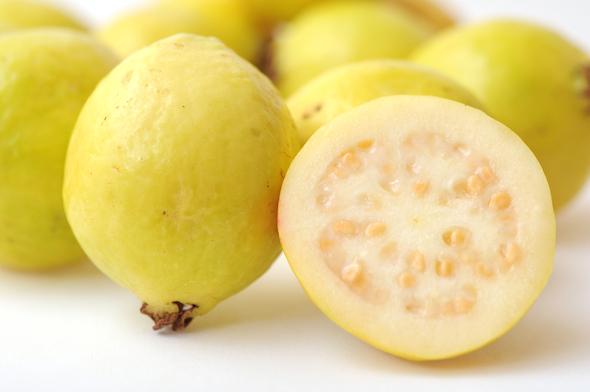
Guava (Guayaba)

Among the claims for guavas are that they improve heart health, blood sugar levels, painful menstruation, digestion, and skin.

Guava (español: guayaba) is a tropical fruit cultivated in many tropical and subtropical regions. Psidium guajava is a small tree in the myrtle family, native to Mexico, Central America. Guavas are typical Myrtoideae, with tough dark leaves and white flowers with five petals and numerous stamens. The fruits are many-seeded berries. I had just moved to Guadalajara, Mexico, when I tasted my first guayaba. I was hooked. When ripe, the guayaba, or guava, is very sweet and delicious, peeling, seeds and all. Just wash and eat it like an apple. They are also made into a popular candy called ate. (pronounced ah-tay). Guayabate is one of my favorite sweets.

1 raw guava (100 g)
calories 63
carbohydrates 14.32 g
fat 0.95 g
fiber 5.4 g
sugars 8.92 g
vitamin A 624 IU
vitamin C 228.3 mg
Sources: Wikipedia / healthline / MedicalNewsToday
Posted in PLANT FOOD FACTS

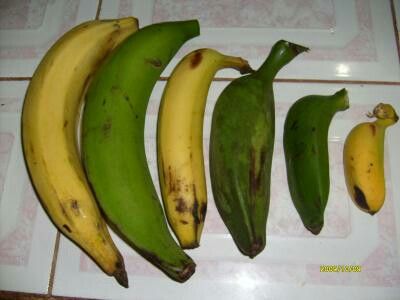
Banana

Bananas are high in fiber and antioxidants and relatively low in calories; they moderate blood sugar levels and improve digestive and kidney health.

A banana is an edible fruit–botanically a berry–produced by several kinds of large herbaceous flowering plants in the genus Musa. In some countries, bananas used for cooking may be called plantains, distinguishing them from dessert bananas. The fruit is variable in size, color, and firmness, but is usually elongated and curved, with soft flesh rich in starch covered with a rind, which may be green, yellow, red, purple, or brown when ripe. The fruits grow in clusters hanging from the top of the plant.

Bananas are good as they are–just peel and eat. They are a delicious addition to a smoothie, and very ripe bananas make exquisite banana bread. Cooking bananas, known as plantains, can be fried, baked, or sliced and added to a stew. In southern Mexico, tamales are wrapped in banana leaves instead of corn husks.

1 medium banana (118 g)
calories 105
carbohydrates 24 g
copper 10% DV
fat 0.4 g
fiber 3.1 g
magnesium 8% DV
manganese 14% DV
potassium 9% DV
protein 1.3 g
vitamin B6 33% DV
vitamin C 11% DV
Sources: Wikipedia / healthline
Posted in PLANT FOOD FACTS

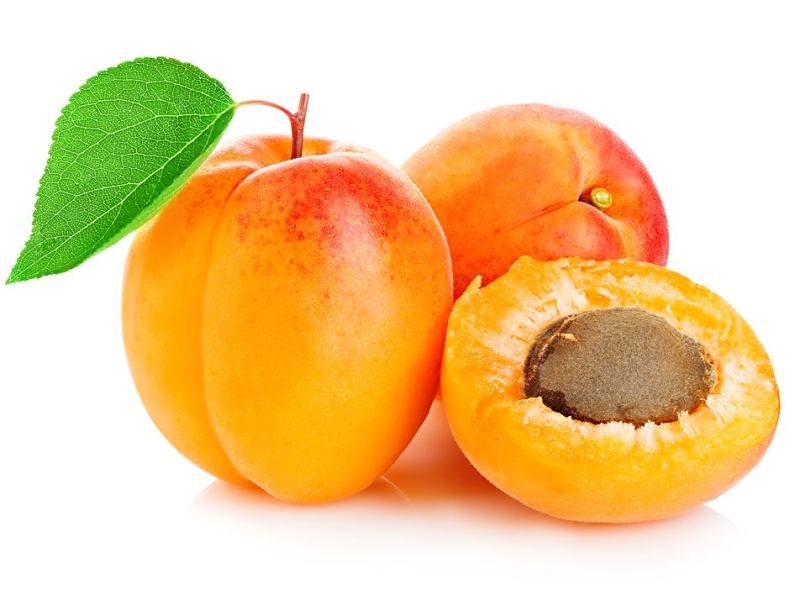
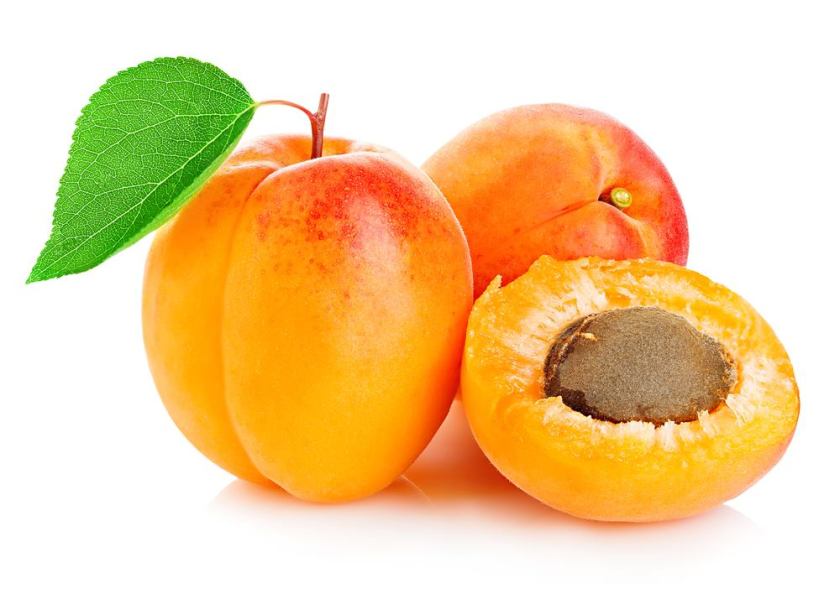
Apricot

Apricots are extremely nutritious and have many health benefits, such as improved digestion and eye health.

Apricots (español: chabacano) are stone fruits also known as Armenian plums. Round and yellow, they look like a smaller version of a peach but share the tartness of purple plums. It’s best to enjoy apricots whole and unpeeled, as the skin boasts large amounts of fiber and nutrients, including significant amounts of beta carotene, lutein, and zeaxanthin.

2 fresh apricots (70 g)
calories 34
carbohydrates 8 g
fat 0.27 g
fiber 1.5 g
potassium 4% DV
protein 1 g
vitamin A 8% DV
vitamin C 8% DV
vitamin E 4% DV