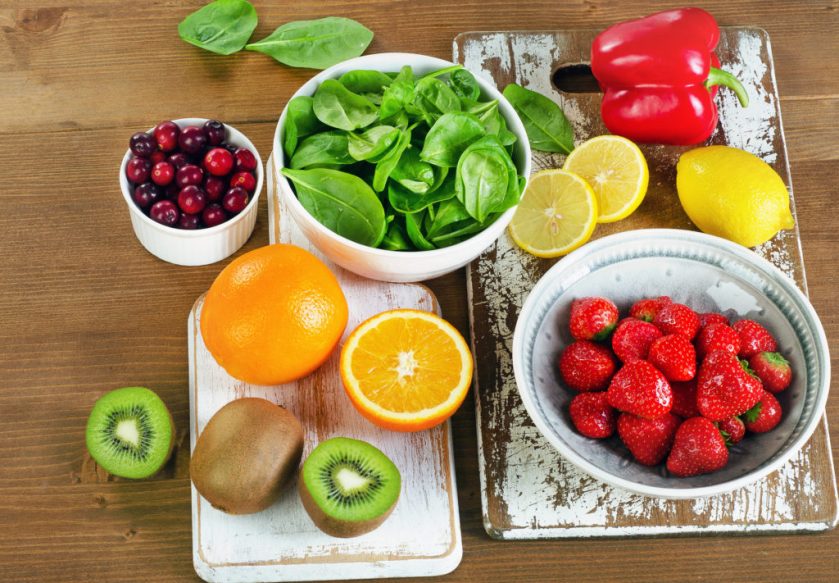
What does Vitamin C do? Vitamin C has been linked to many impressive health benefits that include boosting antioxidant levels, lowering blood pressure, protecting against gout attacks, improving iron absorption, boosting immunity, and reducing heart disease and dementia risk.
How much do I need? The Recommended Daily Allowance (RDA)–enough to prevent deficiency syndromes such as scurvy–is 90 mg for men and 75 mg for women, but the Upper Limit (UL) is 2,000 mg.
Are supplements recommended? Because the human body cannot produce Vitamin C, it must be obtained through food sources or manufactured supplements. Opinions vary about how much Vitamin C is needed for optimal health. Because of the known benefits of Vitamin C for prevention and optimal health, including those that have not yet been fully proven, I prefer to take a 1,000 mg supplement and to eat foods that are rich in Vitamin C every day.
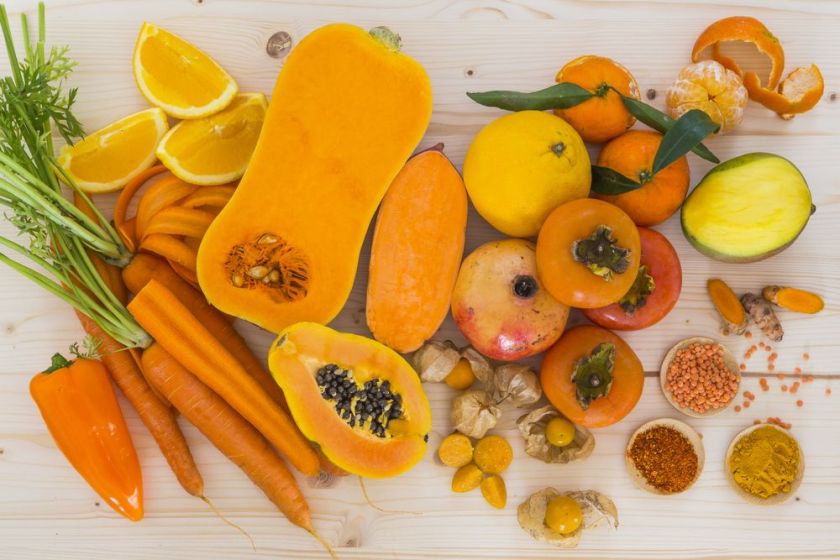
What are some good plant food sources of Vitamin C? ORANGES, KIWI, LEMON, BELL PEPPER, STRAWBERRIES, GRAPEFRUIT, BROCCOLI, CABBAGE, and CAULIFLOWER are a few plant foods that are rich in Vitamin C. High-heat cooking temperatures or prolonged cook times can break down the vitamin. Because it is water-soluble, the vitamin can also seep into cooking liquid and be lost if the liquids are not eaten. Quick heating methods or using as little water as possible when cooking, such as stir-frying or blanching, can preserve the vitamin. Foods at peak ripeness eaten raw contain the most vitamin C.
Source: Harvard School of Public Health
Vitamin C-Rich Foods
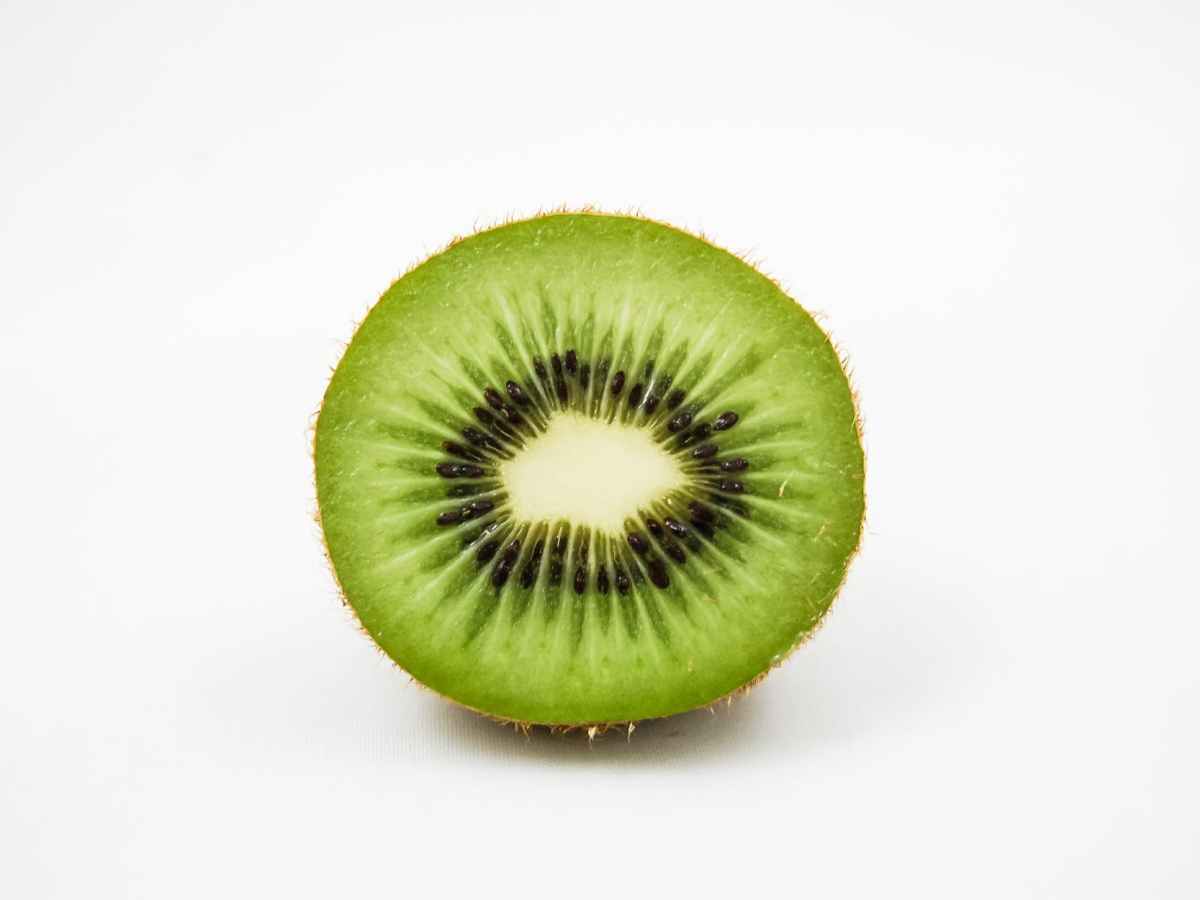
Kiwi Facts
A 3.5-ounce kiwi provides more than 80% of the daily vitamin C requirement.

Lemon Facts
High in Vitamin C, lemons may reduce risks of heart disease and cancer.
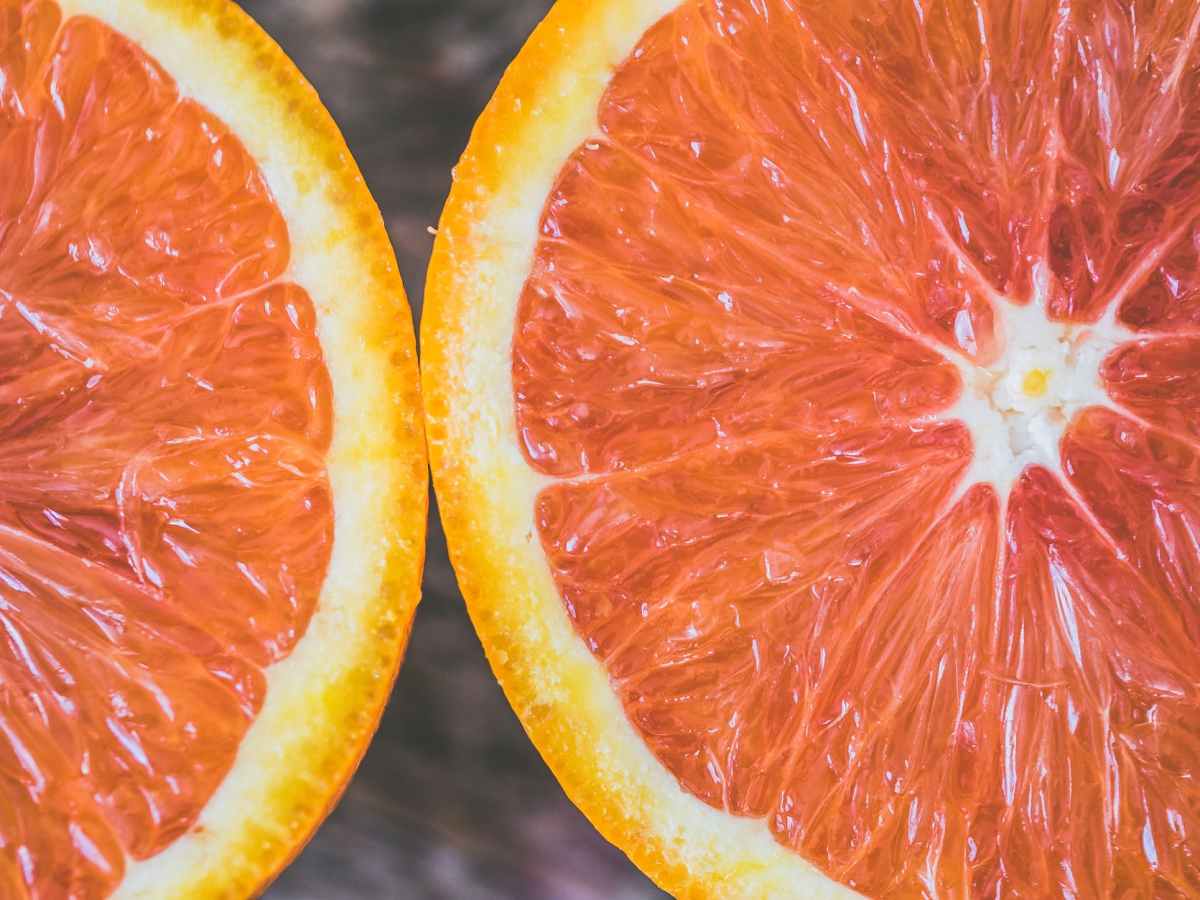
Grapefruit Facts
Grapefruit is rich in nutrients, antioxidants and fiber, making it one of the healthiest citrus fruits you can eat.
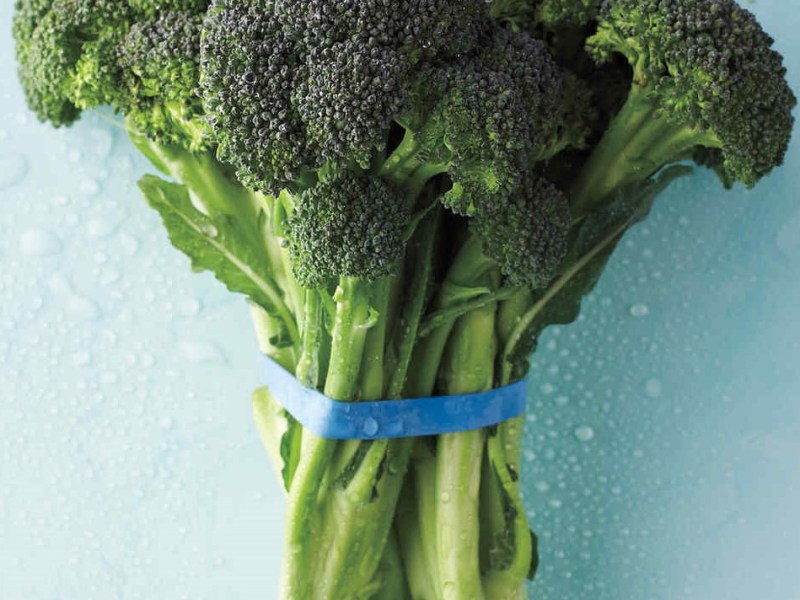
Broccoli Facts
Broccoli, which has more protein than most other vegetables, is also high in fiber, vitamin C, vitamin K, iron, and potassium.
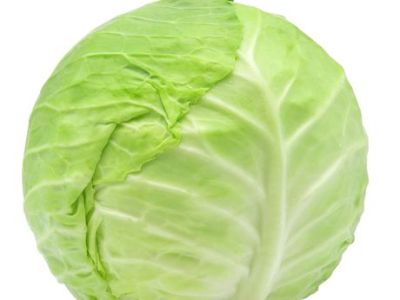
Cabbage Facts
Cabbage is low in calories and rich in Vitamins K and C
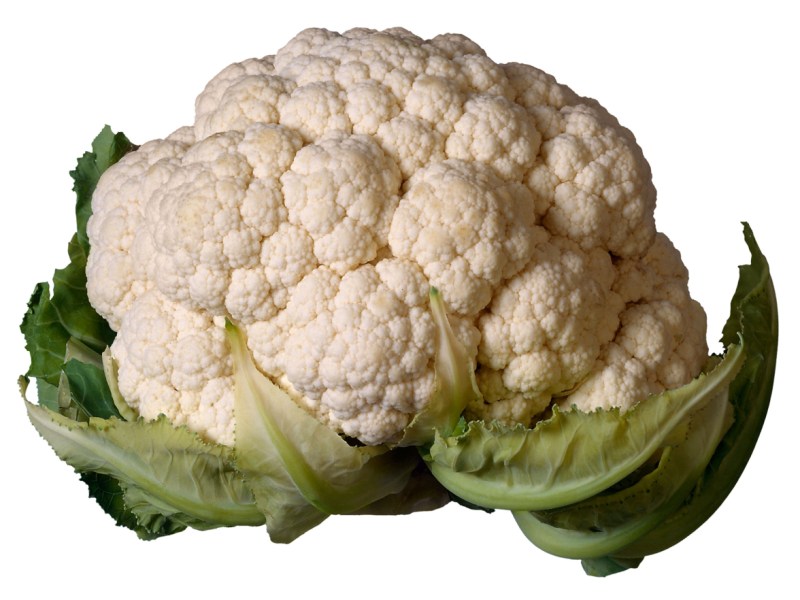
Cauliflower Facts
Cauliflower reduces cancer risk; fights inflammation; decreases risk for heart disease and brain disorders; provides high levels of vitamins C, K, and other vitamins and minerals; improves digestion and detoxification; aids in weight loss; helps balance hormones; and preserves eye health.

 Fruit & Stuff