
What does thiamin do? This vitamin plays a critical role in energy metabolism and, therefore, in the growth, development, and function of cells. Thiamin (or thiamine) is one of the water-soluble B vitamins. It is also known as vitamin B1. Thiamin is naturally present in some foods, added to some food products, and available as a dietary supplement.
How much do I need? The recommended dietary allowance (RDA) for adult males the RDA is 1.2 mg daily. For adult females 18 years of age, the RDA is 1 mg daily. For adult females 19 years and older, the RDA is 1.1 mg daily.
Are supplements recommended?
Thiamine (Vitamin B1) supplements are generally only necessary if you have a diagnosed deficiency, are at high risk (e.g., alcohol dependency, bariatric surgery, chronic illness), or are advised by a doctor. It is crucial for converting food into energy and supports nerve/heart health, with deficiencies leading to fatigue, muscle weakness, or memory issues.
What are some good plant food sources of thiamin? Good plant food sources of thiamin are FORTIFIED CEREALS, BLACK BEANS, ACORN SQUASH, and BROWN RICE.
| FOOD | MG OF THIAMIN PER SERVING | PERCENT DV |
|---|---|---|
| Breakfast cereals, fortified with 100% of the DV for thiamin, 1 serving | 1.2 | 100 |
| Black beans, boiled, ½ cup | 0.4 | 33 |
| Macaroni, whole wheat, cooked, 1 cup | 0.2 | 17 |
| Acorn squash, cubed, baked, ½ cup | 0.2 | 17 |
| Rice, brown, long grain, not enriched, cooked, ½ cup | 0.2 | 17 |
| Rice, white, long grain, enriched, cooked, ½ cup | 0.1 | 8 |
| Bread, whole wheat, 1 slice | 0.1 | 8 |
| Orange juice, prepared from concentrate, 1 cup | 0.1 | 8 |
| Sunflower seeds, toasted, 1 ounce | 0.1 | 8 |
| Oatmeal, regular and quick, unenriched, cooked with water, ½ cup | 0.1 | 8 |
| Corn, yellow, boiled, 1 medium ear | 0.1 | 8 |
| Barley, pearled, cooked, 1 cup | 0.1 | 8 |
Source: National Institutes of Health
Thiamin-Rich Foods
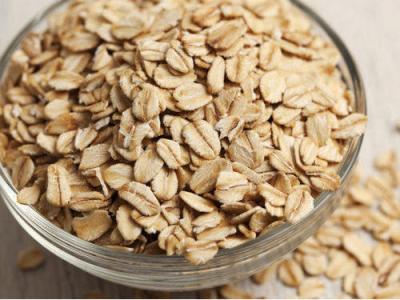
Oat Facts
Oats are a powerhouse of vitamins, minerals, and antioxidants.
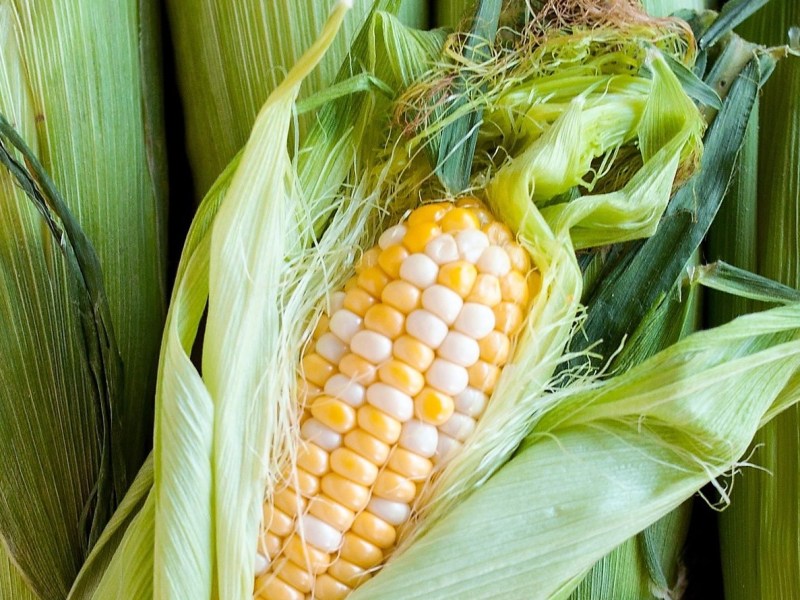
Corn Facts
Corn is a significant source of COMPLEX CARBOHYDRATES, VITAMIN B1, VITAMIN B3, VITAMIN B5, VITAMIN B9, PHOSPHOROUS, and MAGNESIUM. Corn, or maize, (español: maíz) was domesticated by indigenous peoples in southern Mexico about 10,000 years ago. It has become a staple food in many parts of the world, with the total production surpassing that of wheat or rice. Sugar-rich varieties called sweet corn are…

 Fruit & Stuff