Posted in PLANT FOOD FACTS

Passion Fruit (Maracuyá)

Passion fruit is rich in antioxidants and dietary fiber, which have been linked to a lower risk of conditions like heart disease and diabetes.

Passion fruit (español: maracuyá) is the fruit of the Passiflora vine. It has a tough outer rind and juicy center full of edible seeds. There are several types that vary in size and color. Purple and yellow varieties are the most commonly available ones, including Passiflora edulis, small round or oval-shaped fruits with purple skin, and Passiflora flavicarpa, round or oval with yellow skin and usually slightly larger than the purple variety.

Passion fruit is rich in antioxidants and dietary fiber. Diets high in these nutrients have been linked to a lower risk of conditions like heart disease and diabetes. Passion fruit is a good source of fiber, vitamin C, and vitamin A. It is also rich in beneficial plant compounds, including carotenoids and polyphenols. It has a small amount of iron, and even though the body doesn’t usually absorb iron from plants very well, passion fruit comes with a lot of vitamin C, which is known to enhance iron absorption.

Passion fruit allergy is rare, but some cases occur. People with a latex allergy are at greater risk.

1 small purple passion fruit contains
CALORIES17
FIBER2 g
IRON2% DV
POTASSIUM2% DV
VITAMIN A (RETINOL)8% DV
VITAMIN C9% DV
SOURCE: HEALTHLINE

Posted in PLANT FOOD FACTS

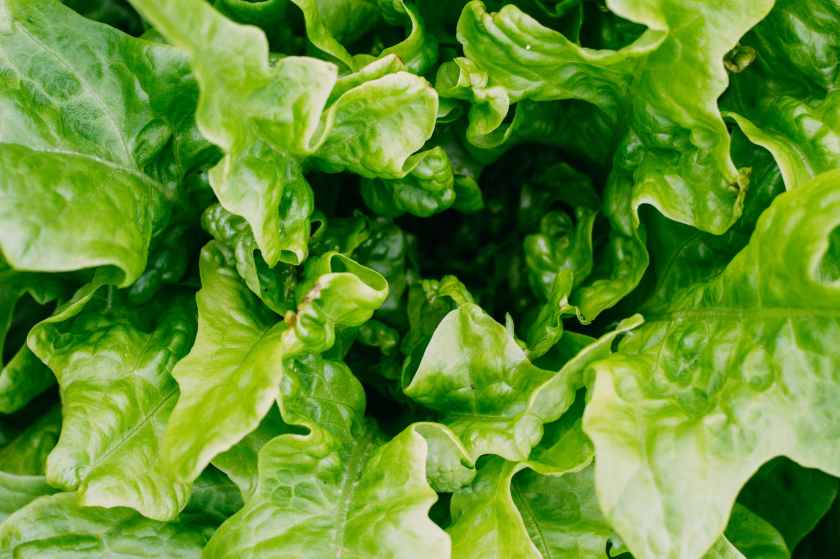
Lettuce

Lettuce is rich in antioxidants, folates, and Vitamins A and K.

Lettuce (Lactuca sativa) (Spanish: lechuga) is a popular leafy vegetable in the daisy family. It ranges in color from yellow to dark green, and some varieties have reddish hues. Lettuce is a major ingredient in salads, and it is a healthy addition to wraps, soups, and sandwiches. Romaine and iceberg are the most common types in western cuisine, but there are many more varieties with unique flavors and nutritional properties. Most types of lettuce are rich in Vitamin K, folates, and antioxidants.

  • Crisphead lettuce, widely known as iceberg lettuce, is light, crunchy, and full of nutrients like folate and vitamin K.
  • Romaine’s long, crisp leaves are popular for Caesar salads. It’s high in folate, potassium, antioxidants, and vitamins A and K.
  • Butterhead lettuce has soft leaves and looks similar to cabbage. It’s particularly high in iron and vitamins A and K.
  • Leaf lettuce has crisp, ruffled leaves. Both green and red types are high in folate, manganese, and vitamins A and K. Red leaf lettuce is higher in antioxidants.

For information about other types of lettuce, see this link: 18 Types of Lettuce

3.5 oz (100 g)ICEBERGROMAINEbutterheadLEAF LETTUCE
CALORIES14171315
FIBER1 g2 g1 g1 g
PROTEIN1 g1 g1.5 g2 g
IRON2% DV5% DV8% DV5% DV
MANGANESE5.4 DV7% DV8% DV11% DV
POTASSIUM3% DV5% DV5% DV4% DV
VITAMIN A (RETINOL)3% DV48% DV18% DV41% DV
VITAMIN B9 (FOLATE)7% DV34% DV18% DV10% DV
VITAMIN C3% DV4% DV4% DV10% DV
VITAMIN K20% DV48% DV85% DV105% DV
DV is the percent of the total daily allowance (or requirement) of a substance that one serving of the food provides.

SOURCE: HEALTHLINE
Posted in PLANT FOOD FACTS

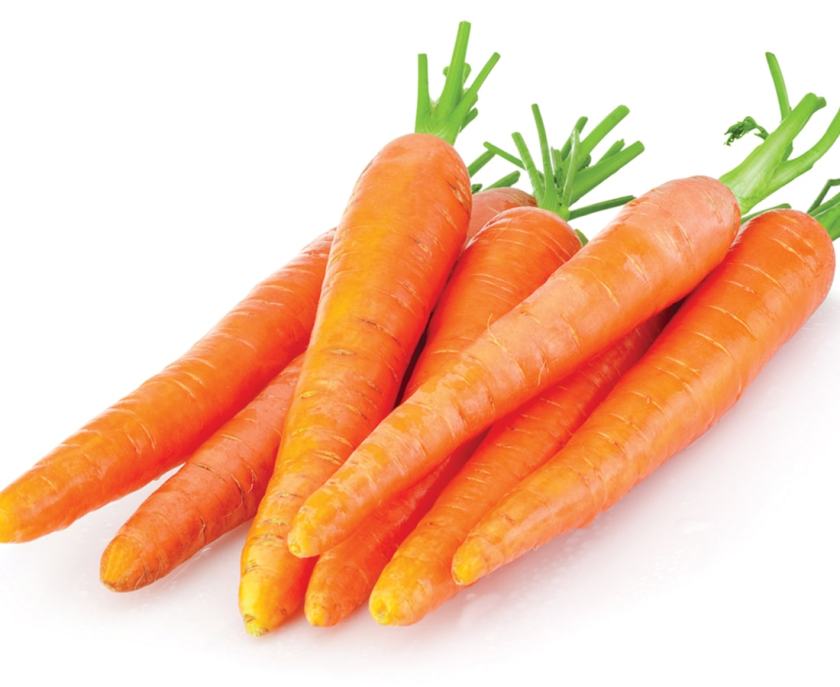
Carrots

Carrots get their bright orange color from beta carotene, an antioxidant that your body converts into vitamin A.

The carrot (español: zanahoria) is an humble root vegetable favored by Bugs Bunny and generations of parents. You can eat carrots raw or cooked. They are weight-loss-friendly and have been linked to lower cholesterol levels and improved eye health. Carotene antioxidants have been linked to a reduced risk of cancer.

Recipe: Carrot Ginger Soup

1 medium raw carrot (60 g)
alpha carotene 2,120 mcg
beta carotene 5,055 mcg
calcium 20.1 mg
calories 25
carbohydrates 5.8 g
copper 18% DV
fiber 1.7 g
folate 11.6 mcg
iron 15% DV
magnesium 30% DV
vitamin A 509 mcg
vitamin E 0.4 mg
vitamin K 8.1 mcg
Sources: Healthline / Medical News Today