
What does Vitamin B5 do?
Vitamin B5 (Pantothenic Acid) is needed for making blood cells, and it helps convert food into energy. B vitamins are needed for healthy skin, hair, and eyes; proper functioning of the nervous system and liver; healthy digestive tract; making red blood cells, which carry oxygen throughout the body; and making sex and stress-related hormones in the adrenal glands.
How much do I need?
| Life stage group | Recommended intake of vitamin B5 |
|---|---|
| Infants 6 months and younger | 1.7 mg |
| Infants 7 to 12 months | 1.8 mg |
| Children 1-3 years | 2 mg |
| Children 4-8 years | 3 mg |
| Children 9-13 years | 4 mg |
| Children and adults 14 years or older | 5 mg |
| People who are pregnant | 6 mg |
| People who are breastfeeding | 7 mg |
Are supplements recommended?
Vitamin B5 deficiency is rare in the United States. Generally, only people with severe malnutrition have a B5 deficiency. However, people with pantothenate kinase-associated neurodegeneration two mutation may also experience deficiency.
What are some good plant food sources of Vitamin B5?
AVOCADO, BROCCOLI, CABBAGE, POTATOES, MUSHROOMS, NUTS, BEANS, PEAS, LENTILS
Plant Foods Rich in Vitamin B5
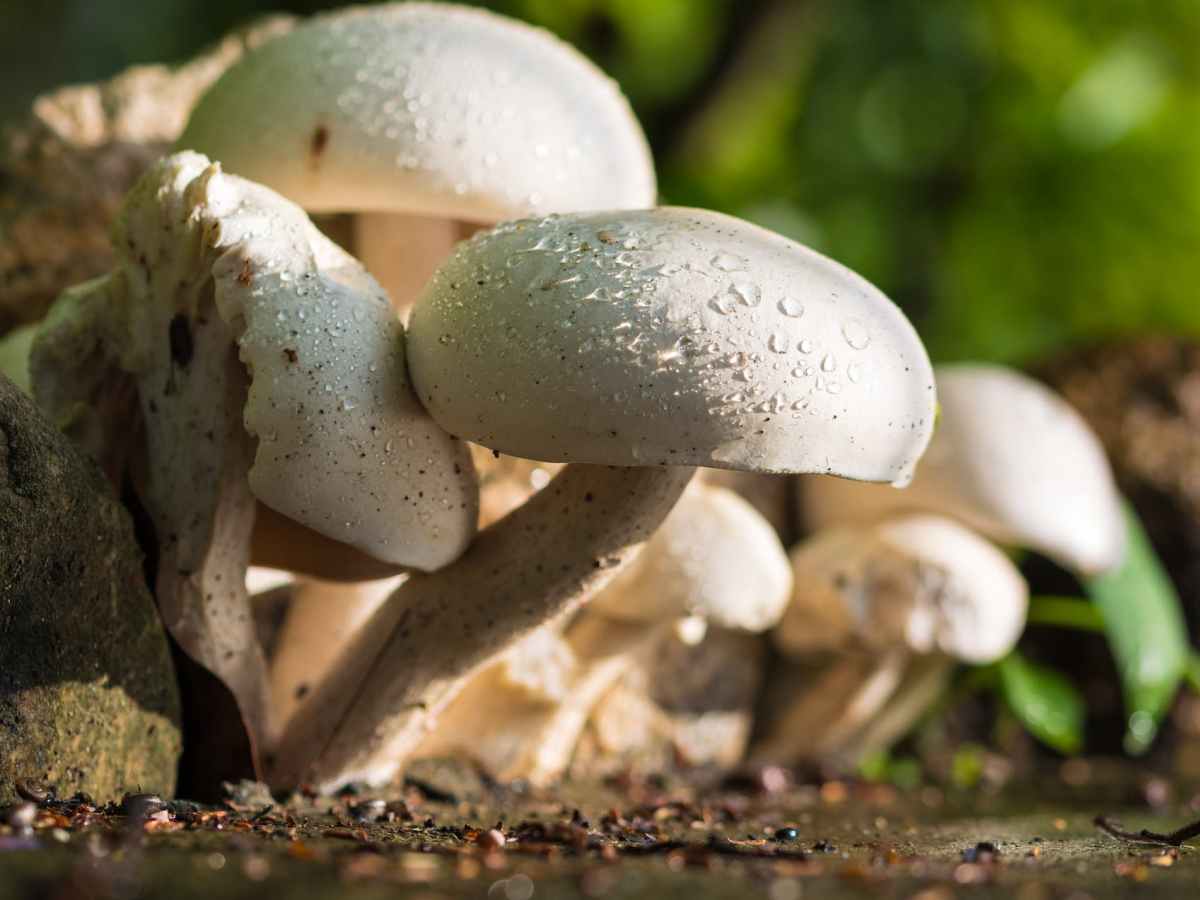
Mushroom Facts
White mushrooms are rich in many bioactive compounds that may protect against cancer and heart disease, as well as help improve blood sugar control and gut health.
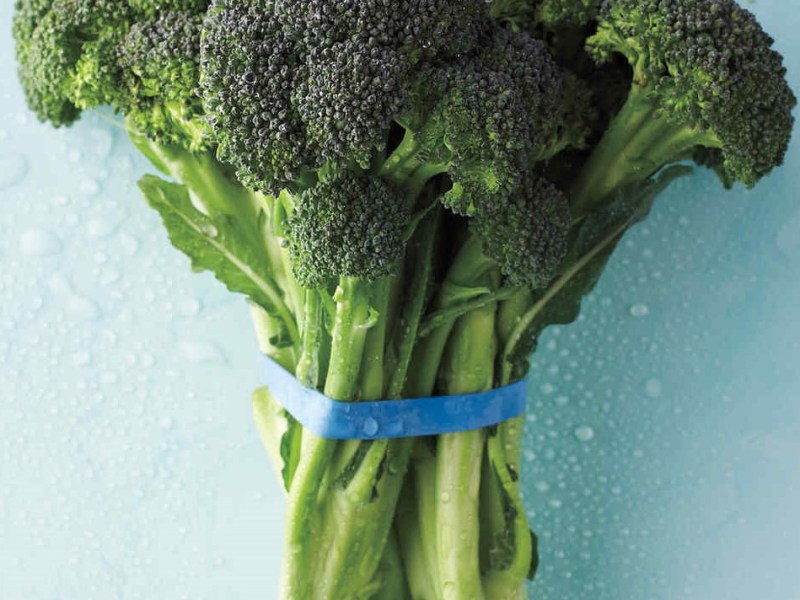
Broccoli Facts
Broccoli, which has more protein than most other vegetables, is also high in fiber, vitamin C, vitamin K, iron, and potassium.
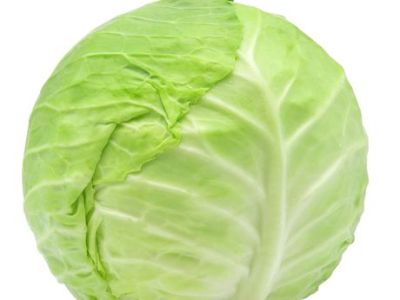
Cabbage Facts
Cabbage is low in calories and rich in Vitamins K and C
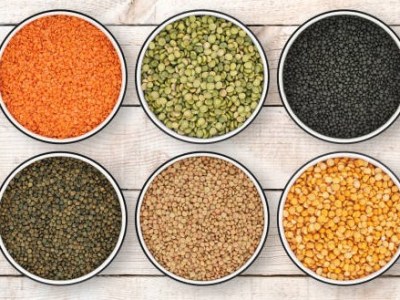
Lentil Facts
Low in calories, high in protein, fiber, B Vitamins, iron, folate, magnesium, zinc, and potassium.

Avocado Facts *superfood*
Avocados improve heart health; support eye, skin, and hair health; fight cancer cell growth; promote weight loss; enhance digestive health; protect against diabetes; and decrease arthritis symptoms.


 Fruit & Stuff